


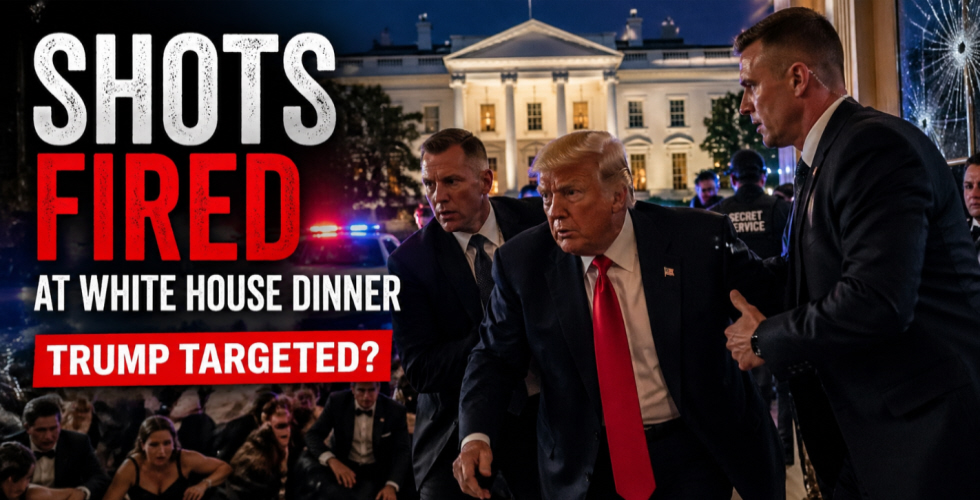
The traditional White House Correspondents’ Dinner turned into a night of chaos and tension after gunshots were reported near the event’s security perimeter. The gathering, considered one of the most important political and media events in Washington, ended abruptly when Secret Service agents activated emergency protocols. Their immediate priority was to protect President Donald Trump, who was attending alongside senior officials from his administration. The incident took place at the Washington Hilton, the usual venue for this prestigious dinner that brings together journalists, business leaders, diplomats, and political figures.
According to early reports, an armed man attempted to approach one of the security checkpoints carrying multiple weapons. The situation became critical when the suspect opened fire, creating moments of panic among those inside the venue. Security agents responded immediately and managed to subdue the attacker before he could get closer to the main event area. During the confrontation, one Secret Service agent was shot in the chest, but his bulletproof vest prevented fatal consequences.
The suspect was arrested at the scene and taken into federal custody for questioning under strict security measures. Donald Trump was quickly evacuated along with First Lady Melania Trump and other high-ranking government officials. Witnesses described the movement as fast, silent, and extremely coordinated, reflecting the high level of preparation of presidential security teams.
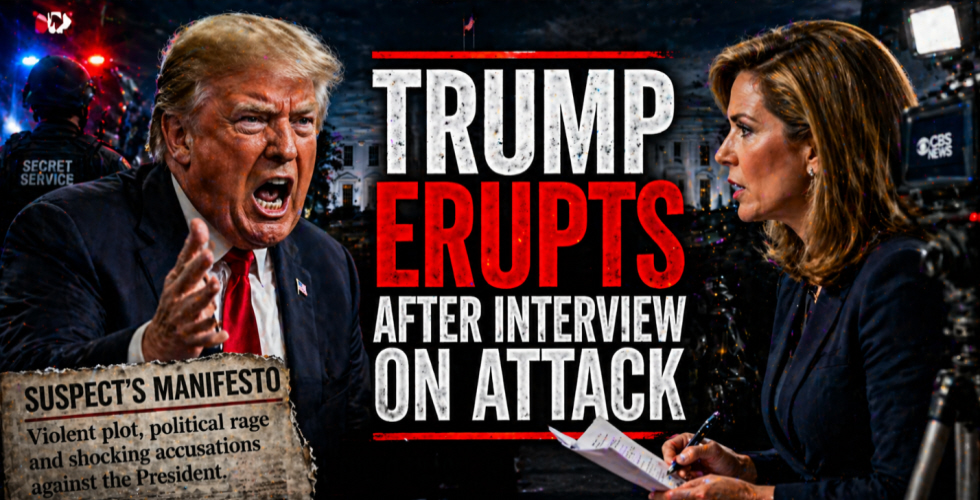
Many guests did not immediately understand what was happening until they heard the gunshots and saw armed agents rushing through the hallways. Hours later, speaking briefly from the White House, Trump suggested that he believed he may have been the real target of the attacker. When asked directly by a reporter whether he thought it was an assassination attempt against him, he responded, “I suppose so.” His words quickly generated international attention and reinforced the political seriousness of the incident.
The president also stated that the suspect was carrying several weapons and that, according to preliminary information, he clearly intended to kill. Although Trump noted that the individual was still far away from him when the shots were fired, he insisted that the threat was real and direct. He also described the attacker as a possible “lone wolf,” although investigations are still ongoing to determine whether he acted alone. The Correspondents’ Dinner was immediately suspended, and more than two thousand guests were evacuated under strict security measures.
Some attendees threw themselves to the floor after hearing the gunfire, while others were guided toward emergency exits by security personnel. The scene stood in sharp contrast to the festive and formal atmosphere that usually defines this historic annual event. The White House Correspondents’ Association released a statement thanking the Secret Service and law enforcement for their rapid response. It also expressed solidarity with the injured agent and confirmed that the event would be rescheduled once conditions are safe enough to guarantee everyone’s security.
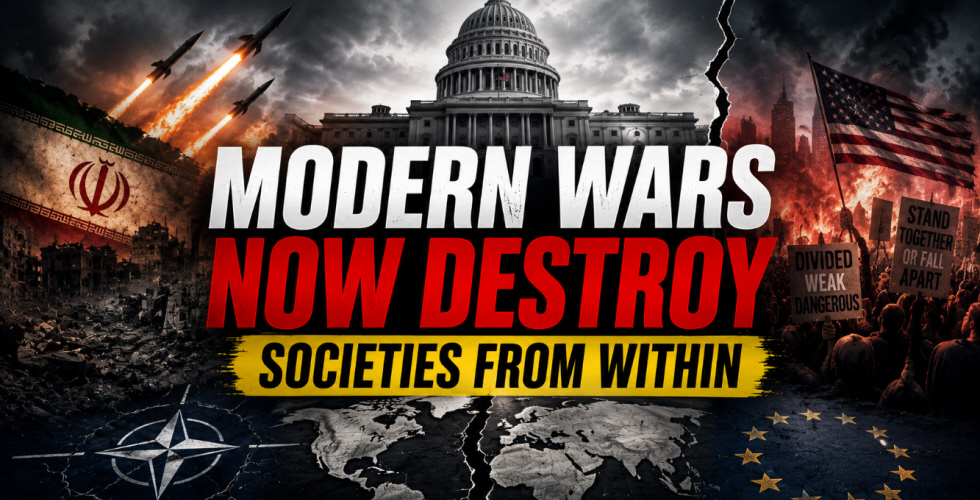
The organization emphasized that protecting lives was the absolute priority during the emergency. This new episode revives concerns about presidential security in the United States, especially after previous assassination attempts reported during the 2024 election campaign. Trump remains one of the most politically sensitive figures in the country, and any incident of this nature immediately creates institutional shockwaves.
Security around the president has once again returned to the center of national debate. As the FBI and the Secret Service continue their investigation, Washington remains under intense political and media attention. Authorities are trying to determine the attacker’s real motives, as well as any possible connections to extremist groups or prior threats that may have gone unnoticed. What happened at the Correspondents’ Dinner not only shook the capital, but also raised a new alarm about the fragile state of America’s current political climate.