
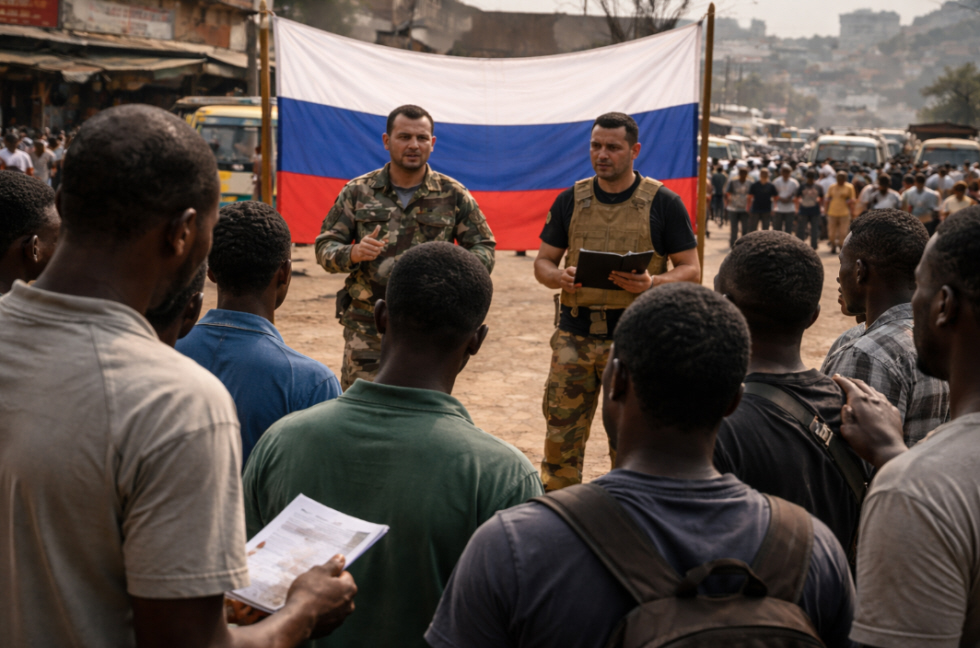
In recent months, reports have emerged suggesting the presence of recruitment networks targeting citizens in Uganda for deployment to Russia or areas connected to the conflict in Ukraine. These accounts do not describe an official deployment by the Ugandan state, but rather individual arrangements facilitated through intermediaries. According to various accounts, some individuals were initially approached with job offers in sectors such as security, construction, or industrial work in Russia.
However, upon arrival, they allegedly discovered that their contracts involved military or logistical roles linked to combat zones. The situation has raised concern because many of those recruited are believed to be young people seeking economic opportunities abroad. Like several other African nations, Uganda faces employment challenges that can make overseas job offers particularly appealing.
There is no confirmed evidence that the Ugandan government has officially authorized troop deployments or entered into formal military agreements with Russia for this purpose. Authorities in Kampala have, at times, indicated that they are reviewing possible irregularities in international recruitment processes. The issue is not limited to Uganda. In other African countries, cases have also surfaced involving citizens who ended up participating in the conflict after signing contracts under unclear or misleading circumstances. Some reports have even indicated fatalities among foreign fighters.
From Russia’s perspective, the need for additional personnel to sustain military operations has been a topic of analysis throughout the conflict. In that context, the use of foreign contractors or international volunteers has been part of broader discussions. Security experts warn that such recruitment practices carry significant legal and humanitarian risks. Individuals who accept these contracts may find themselves in situations for which they are unprepared, facing complex legal frameworks in the event of capture or injury.
Human rights organizations have called for greater transparency and oversight in transnational recruitment processes, particularly when there is a possibility that such arrangements may lead to direct participation in hostilities. The situation also raises questions about the responsibility of private intermediaries and employment agencies operating internationally.
Determining whether there was deception or informed consent is central to any investigation. As geopolitical tensions continue, the possible recruitment of foreign citizens adds another layer to the conflict. Beyond state actors, the human impact on individuals seeking economic opportunity has become one of the most sensitive dimensions of this evolving situation.


