
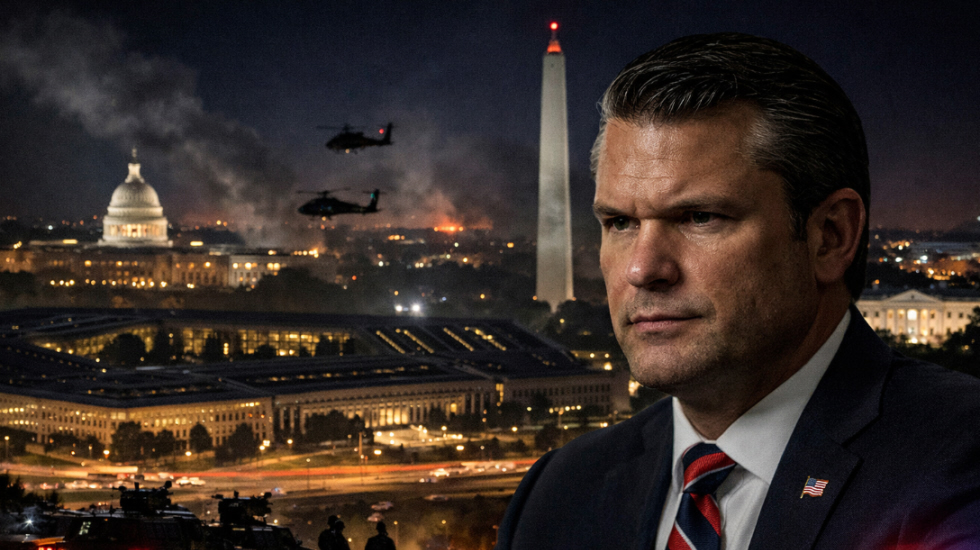
A group of Democratic lawmakers has introduced articles of impeachment against U.S. Defense Secretary Pete Hegseth, in a move that raises political tensions in Washington. The initiative was led by Representative Yassamin Ansari, who accused the official of violating his oath and endangering national security. According to the filing submitted in the House of Representatives, the charges include allegations of abuse of power and decisions that may have compromised military operations.
Democrats argue that the secretary’s actions could have exposed U.S. troops to unnecessary risks in conflict zones. Ansari, a Democratic congresswoman from Arizona, stated that the effort seeks to establish clear limits within military and political leadership. In public remarks, she emphasized that institutional accountability must take precedence over political agendas. Among the most serious allegations are potential violations of international law and conduct that could be considered war crimes. However, these claims are part of a political initiative and have not been proven in an independent judicial setting.
The impeachment process in the United States requires approval in the House of Representatives to move forward, followed by a trial in the Senate. Given the current balance of power in Congress, analysts view the likelihood of the measure advancing to completion as low. Republican leaders have dismissed the move as a politically motivated effort lacking solid evidence. Lawmakers from that party have defended Hegseth’s record and accused Democrats of using the process for electoral purposes. So far, the Defense Secretary has not issued a direct public response to the allegations.
However, sources close to the Pentagon indicate that his legal team is reviewing potential next steps. The political action unfolds amid rising international tensions, particularly involving conflicts in the Middle East. Recent military decisions have drawn increased scrutiny both within the government and abroad. Constitutional experts note that while such initiatives are difficult to carry through, they serve an important symbolic role within the U.S. political system.
They act as mechanisms of pressure and signals of institutional disagreement. For now, the process marks a new chapter in Washington’s political confrontation, where national security and military decisions once again take center stage. The outcome will depend on both legislative dynamics and the broader political climate in the coming months.


