
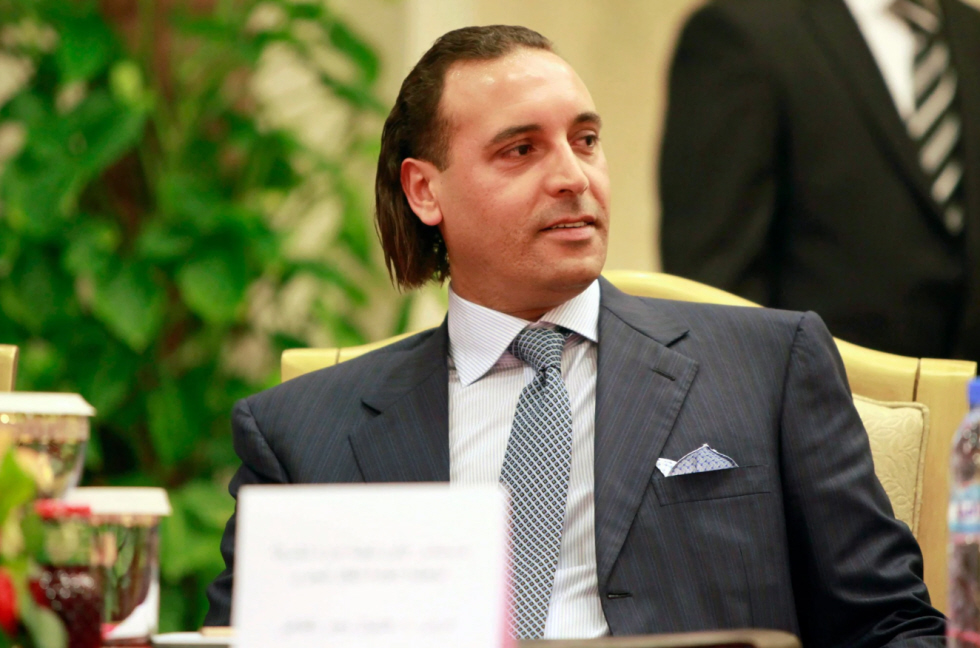
Hannibal Gaddafi, son of the late Libyan leader Muammar Gaddafi, has been released from detention in Lebanon after nearly ten years behind bars, his lawyer confirmed. The release came after a $900,000 bail payment and the lifting of a travel ban imposed since his 2015 arrest in Beirut. Gaddafi, born in 1975, had been accused of withholding information about the 1978 disappearance of Shiite cleric Musa al-Sadr, who vanished during an official visit to Tripoli — a mystery that continues to haunt both Lebanese and Libyan history.
The case of al-Sadr, founder of the Amal movement and a central figure in Lebanon’s Shiite community, has long been a point of tension between the two nations. The Amal movement blames the former Gaddafi regime for his disappearance, while Libya has consistently denied any involvement. Over the decades, conflicting reports have emerged, some suggesting that Muammar Gaddafi personally ordered al-Sadr’s assassination.
Hannibal’s 2015 arrest revived public debate and diplomatic friction but saw little judicial progress amid Lebanon’s shifting political landscape. Hannibal Gaddafi’s release adds a new layer to one of the Middle East’s most enduring unsolved cases. While the bail decision does not close the investigation, it may alter its tone. Judicial authorities could still summon Gaddafi for questioning, and families of the victims continue to demand full disclosure.
Beyond the courtroom, the development tests Lebanon’s delicate political balance — caught between historic grievances, domestic divisions, and regional efforts at reconciliation that may now take on renewed significance.


