
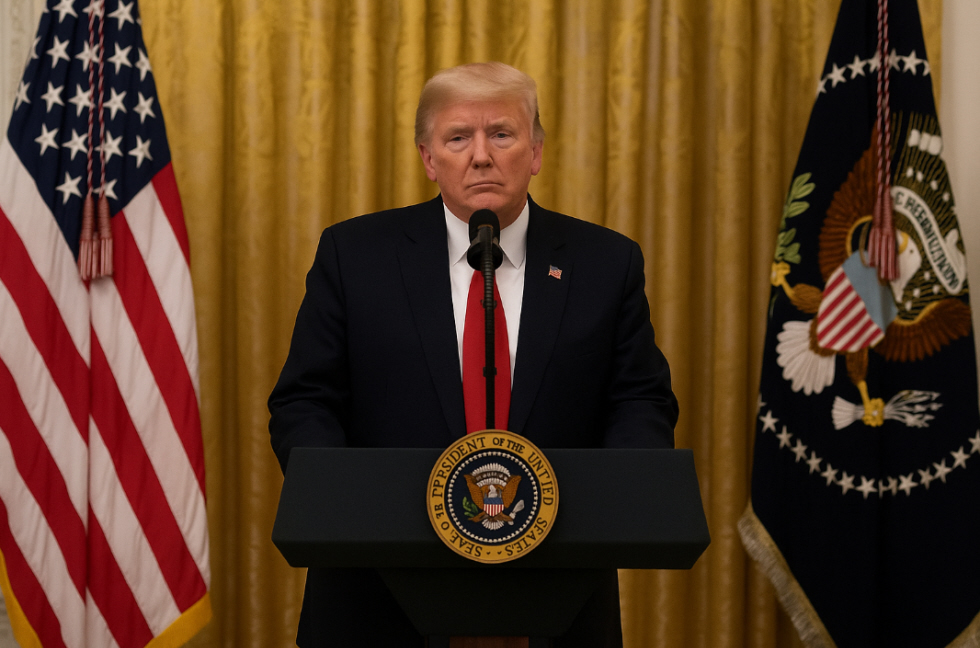
U.S. President Donald Trump has pardoned 77 individuals accused of trying to overturn the 2020 election results. The list includes close allies such as former attorney Rudy Giuliani, former White House Chief of Staff Mark Meadows, and adviser Boris Epshteyn, along with dozens of activists.
In a statement, official Ed Martin framed the move as ending a “grave national injustice” and advancing “national reconciliation,” describing the clemency as “full, complete, and unconditional,” though it does not apply to the president himself.
Trump previously faced cases related to his post-election actions—one in federal court in Washington and another in Georgia. Both were paused following his return to the White House, under the Justice Department practice of not prosecuting a sitting president.
The decision underscores a broader clash between constitutional authority and judicial accountability, with few historical parallels. While sweeping at the federal level, the pardons’ practical impact may be largely symbolic.
Beneficiaries could still face exposure under state laws, where presidential clemency does not reach in the same way. By invoking reconciliation, the administration seeks to close a polarizing chapter, yet it remains uncertain whether the move will ease national tensions or further entrench the political divide.


