
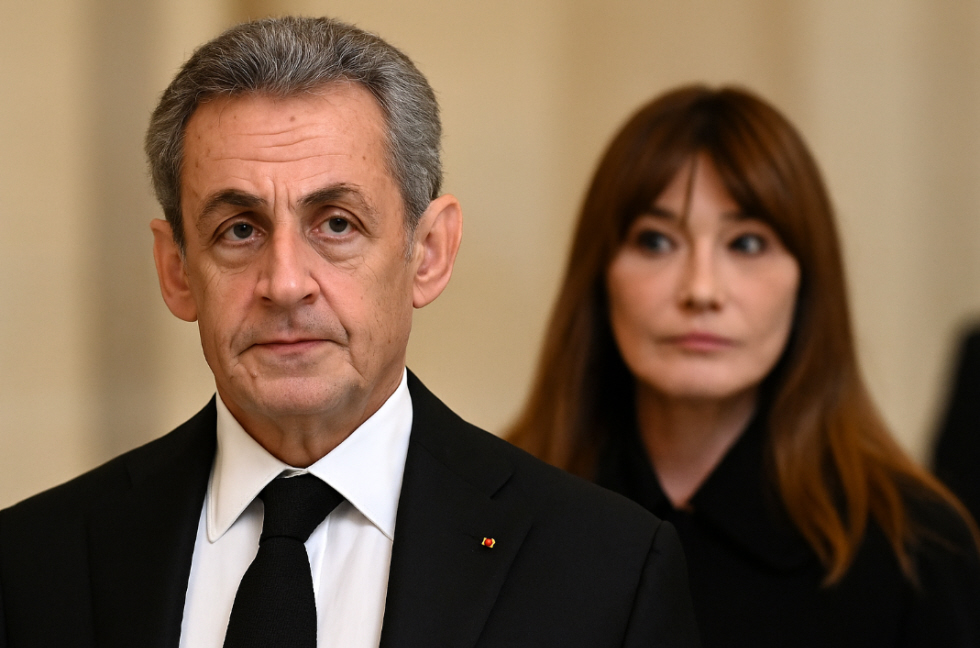
The Paris Court of Appeal granted former French president Nicolas Sarkozy an early release on Monday, just three weeks after he began serving a five-year sentence for alleged corruption linked to campaign funds from Muammar Gaddafi’s Libyan regime. The 70-year-old former head of state, who has consistently denied wrongdoing, must now comply with strict conditions: he cannot leave France or contact others involved in the case.
Sarkozy described his time at La Santé prison as “harsh and exhausting,” saying he “never imagined going to jail at seventy.” Appearing via video link during Monday’s hearing, he was seen for the first time as an inmate—a historic image in French politics. His wife, Carla Bruni, and his sons were present in the courtroom. The release marks a new phase in a case that continues to spark intense debate over justice and political power in France.
During his brief imprisonment, Sarkozy was housed alone in a nine-square-meter cell and placed under constant surveillance, a measure that drew protests from prison staff. The visit of Justice Minister Gerald Darmanin also fueled controversy over political interference. The sight of a former president behind bars has left a lasting mark on France’s political landscape and reignited the national conversation about accountability at the highest levels of power.


