
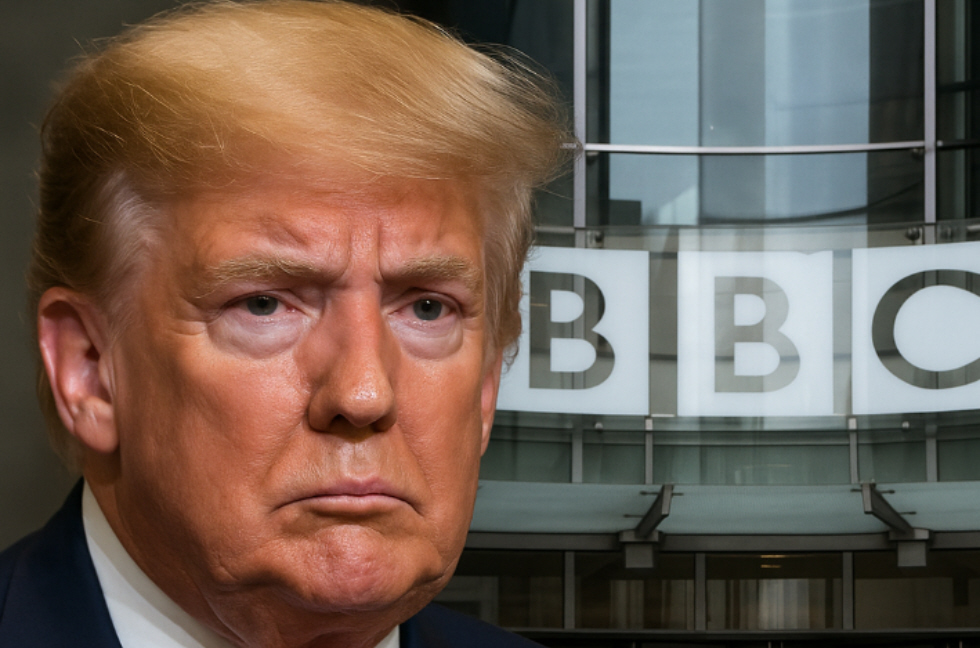
The BBC is facing an institutional crisis after airing a documentary that edited parts of Donald Trump’s January 6, 2021 speech in a way the broadcaster now concedes created a misleading impression of his words and context.
The public broadcaster acknowledged a lapse in judgment and received a legal letter from the U.S. president’s team demanding withdrawal of the program, an apology, and compensation, with the threat of a $1 billion lawsuit if the demands are not met.
The controversy prompted the resignations of the Director-General and the head of news, who accepted responsibility for the editorial handling while defending the BBC’s public-service mission and commitment to rigorous journalistic standards.
The episode exposed internal control gaps and sparked debate over process, verification, and oversight for politically sensitive content. In a highly charged political year, the incident reignites discussions around impartiality, framing, and governance in public media.
The BBC has announced an internal review of editing and communication procedures, while Trump’s lawyers maintain their demands. The outcome may shape both the broadcaster’s reputation and the wider conversation about trust and neutrality in news.


