
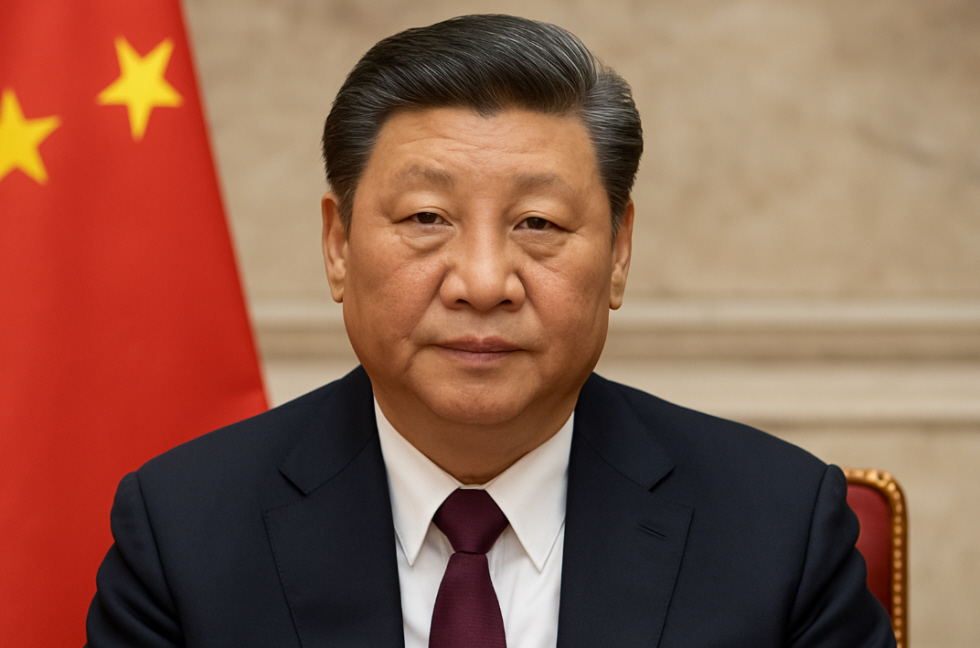
Chinese President Xi Jinping has announced a renewed and forceful campaign to tighten state control over the country’s digital environment, declaring the need to “draw the sword” against behaviors deemed harmful on the Internet. According to the state-run Xinhua news agency, Xi delivered this message during a meeting of the Communist Party on Friday, emphasizing that the objective is to build a “clean and just cyberspace” as part of China’s broader ambition to become a global cyber power.
Although Xinhua did not specify which online behaviors will be targeted, the message signals a sharpening of Beijing’s regulatory posture and a readiness to confront what it views as threats to national stability and digital order. Xi stated that authorities must “resolutely crack down” on damaging online activities and dismantle the profit-driven interests behind them, asserting that regulating the online ecosystem is essential to China’s national development, security and the fundamental interests of its people.
However, no concrete measures were announced, leaving open the possibility of new rules, expanded monitoring systems or wide-ranging enforcement campaigns. China’s government has long required online platforms to strictly moderate user-generated content, prohibiting material considered subversive, vulgar, pornographic or broadly harmful to social cohesion. The announcement comes amid ongoing regulatory pressure on major Chinese platforms.
In September, the Cyberspace Administration of China (CAC) took action against Jinri Toutiao, a news app operated by TikTok parent company ByteDance, and against UCWeb, a browser service owned by Alibaba, accusing both of spreading harmful content. Additional penalties were issued against Weibo, the short-video app Kuaishou and the Instagram-like platform Xiaohongshu for inadequate content management.
According to the CAC, platforms that fail to enforce proper moderation may face summons for investigation, mandatory content removal within designated timeframes, official warnings and “strict sanctions” against responsible parties. The regulator did not specify the exact penalties that may be imposed, leaving room for variable enforcement depending on the severity of each case.
By:
NewsXX1 – Redacción Internacional


