
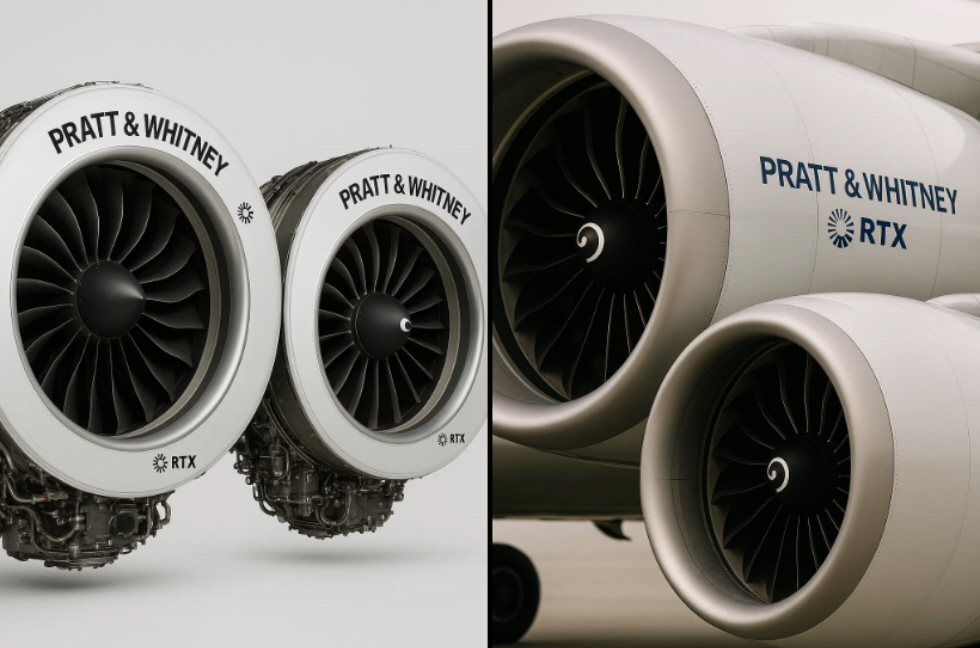
Pratt & Whitney, a subsidiary of aerospace giant RTX, announced that it has successfully completed a series of critical tests on its line of small turbofan engines, designed for next-generation collaborative aircraft known as Collaborative Combat Aircraft (CCA). According to the official statement, the results confirmed that the engines currently in production can deliver up to twenty percent more thrust in unmanned applications, representing a significant step forward in the development of efficient and adaptable propulsion systems.
This achievement holds dual strategic value: on one hand, it allows existing technologies to be reused and optimized instead of designing new engines from scratch, reducing both costs and integration timelines; on the other hand, it increases the capabilities of advanced aerial platforms that will be part of future military programs focused on autonomous operations in cooperation with manned aircraft.
The tests conducted assessed the endurance, efficiency, and reliability of the turbofan engines under extreme conditions, all essential elements to ensure performance in real-world combat scenarios. This milestone strengthens RTX’s position as one of the leading players in the global defense and aviation market, while paving the way for the next generation of collaborative aircraft that aim to redefine the interaction between manned and unmanned systems in the air. With this innovation, Pratt & Whitney confirms its commitment to the evolution of aeronautical propulsion and to the development of technologies that will shape the future of the aerospace sector in the coming decades.