
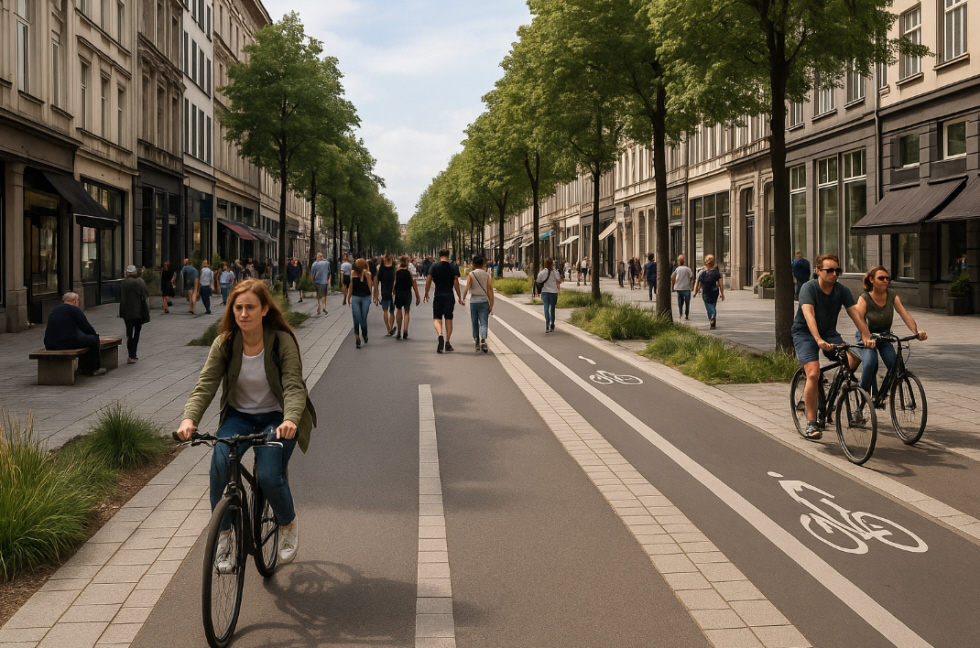
Global cities expand car-free zones to reduce pollution and attract visitors
Major cities around the world are expanding car-free districts as part of broader efforts to reduce air pollution and make urban centers more attractive for residents and visitors. Local authorities report that pedestrian-only areas have boosted commercial activity, increased outdoor dining and lowered noise levels in neighborhoods that used to be dominated by traffic.
Urban planners say the trend is gaining momentum as more cities rethink transportation, invest in public transit and promote greener mobility options such as cycling and walking. Tourism agencies also note that redesigned downtown streets, with more cultural events and open public spaces, are drawing visitors who look for safer, cleaner and more livable destinations.
City governments emphasize that car-free zones are not only an environmental measure, but also an economic strategy. By reducing congestion and prioritizing people over vehicles, they hope to create city centers that support local businesses, strengthen community life and set a new standard for sustainable urban development.


