
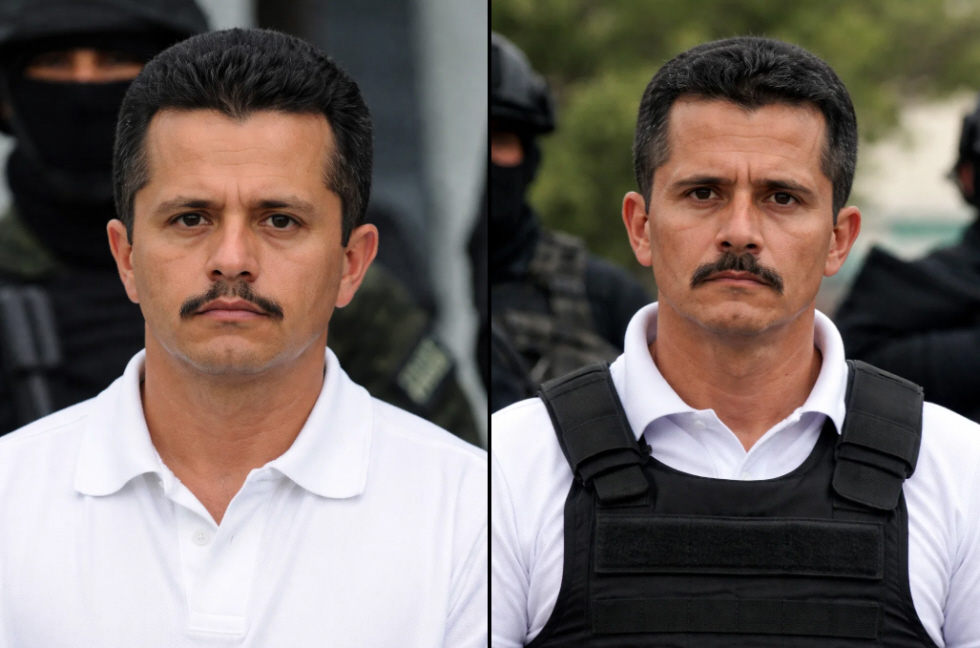
The death of Nemesio Oseguera Cervantes, widely known as “El Mencho,” marks a turning point in Mexico’s fight against organized crime. For years regarded as the country’s most powerful drug lord, the leader of the Jalisco New Generation Cartel died after being wounded during a military operation aimed at capturing him. The operation was carried out by a special armed forces unit in the municipality of Tapalpa, in the state of Jalisco — a historic stronghold of the criminal organization.
The confrontation was intense and resulted in multiple casualties, underscoring the group’s level of preparation and resistance. In addition to Oseguera, six other cartel members were killed during the intervention, while two were arrested. Three soldiers were injured and transported to medical facilities, highlighting the high-risk nature of the mission. According to the available information, the CJNG leader was wounded during the clash and died while being airlifted to Mexico City.
His death occurred before he could be formally presented before the courts. “El Mencho” built one of the most violent and expansive criminal networks in Latin America after founding the CJNG in 2011. Under his command, the organization expanded internationally, diversified its operations, and openly challenged the authority of the Mexican state. For years, he remained a top priority target for both Mexican and U.S. authorities.
A multimillion-dollar reward had been offered for information leading to his capture, reflecting the scale of the threat he posed across borders. The operation reportedly involved international intelligence cooperation, underscoring the transnational dimension of the cartel’s activities. His death is not merely a domestic event, but one with broader regional implications. However, the elimination of a high-profile cartel leader does not automatically dismantle the organization.
Historically, major criminal groups have demonstrated resilience, internal restructuring, and rapid succession of leadership. The immediate concern is the potential for violent retaliation by factions within the CJNG seeking to assert control or project strength. Authorities are expected to maintain strategic deployments to prevent an escalation that could impact civilian populations.
The coming weeks will be critical in determining whether this strike signals the beginning of a sustained weakening of the cartel or simply the start of a new phase in its evolution. Stability in key regions and continued coordination between security forces will shape what happens next.


