
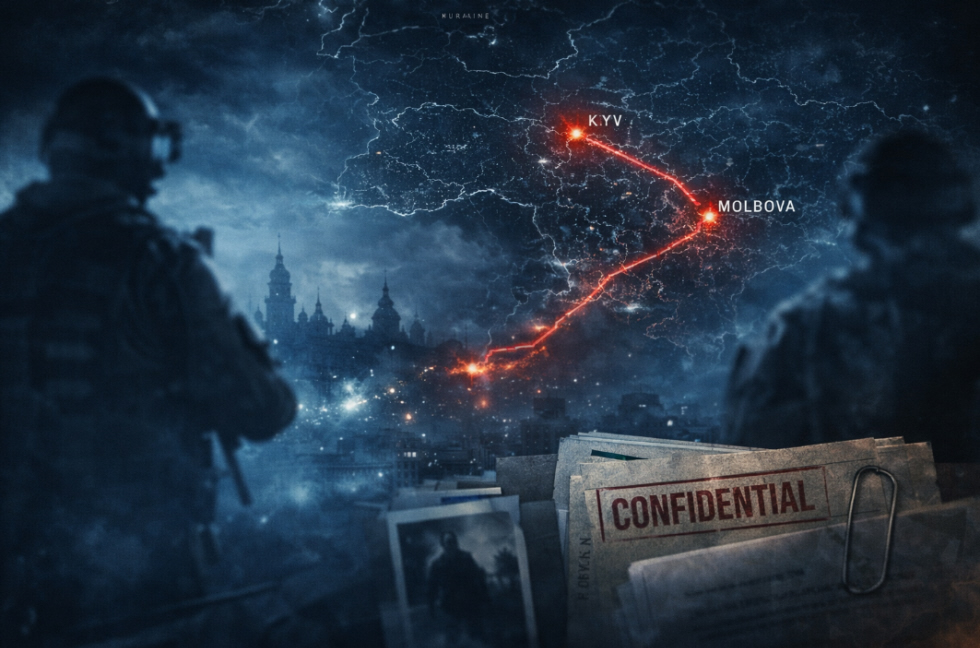
Ukrainian and Moldovan authorities have announced the disruption of an alleged assassination plot targeting high-ranking political and military figures, following a coordinated security operation that included multiple raids and arrests. According to official statements, one of the intended targets was Andriy Yusov, a senior communications official for the Ukrainian military who has played a key role in coordinating prisoner exchanges with Russia.
The case was made public on Friday, when Ukrainian prosecutors revealed that the plan allegedly involved contract killings against prominent Ukrainian and foreign citizens. Investigators indicated that the perpetrators were reportedly offered up to $100,000 per assassination, with the amount depending on the notoriety and influence of the intended victim.
Authorities reported that approximately 20 searches were carried out across various regions of Ukraine. During these operations, law enforcement officers seized firearms, explosives, and communication devices. Investigators also claimed to have recovered information suggesting contact with alleged coordinators operating from Russian territory. In total, ten suspects were detained—seven in Ukraine and three in Moldova.
Officials described the network as an “organized group” with structured planning and logistical preparation, pointing to what they characterized as a well-coordinated operation. Ukraine’s prosecutor general stated that the objective of the plot was to destabilize the country’s political and military environment at a time of heightened regional tension. While authorities did not publicly disclose the names of all potential targets, they confirmed that those selected held positions of public visibility and strategic relevance. Moldovan authorities confirmed their active cooperation in the investigation, noting that the arrests carried out on their territory were part of a joint cross-border effort.
This transnational dimension adds a broader geopolitical layer to the case and underscores the security challenges facing the region. Since the outbreak of the conflict between Ukraine and Russia, Kyiv has repeatedly reported attempts at sabotage, infiltration, and targeted attacks against state officials. If fully substantiated, this latest case would add to a growing list of security incidents that continue to intensify tensions between the two countries.
Politically, the announcement reinforces Ukraine’s narrative about the need for heightened security measures and sustained international support. It may also influence future decisions regarding intelligence coordination, defense policy, and diplomatic engagement with Western allies.
For now, judicial proceedings will determine the full scope of the alleged conspiracy and the individual responsibility of those detained. As investigations continue, the case once again highlights the fragile security landscape in Eastern Europe and the ongoing confrontation shaping the region’s geopolitical reality.


