
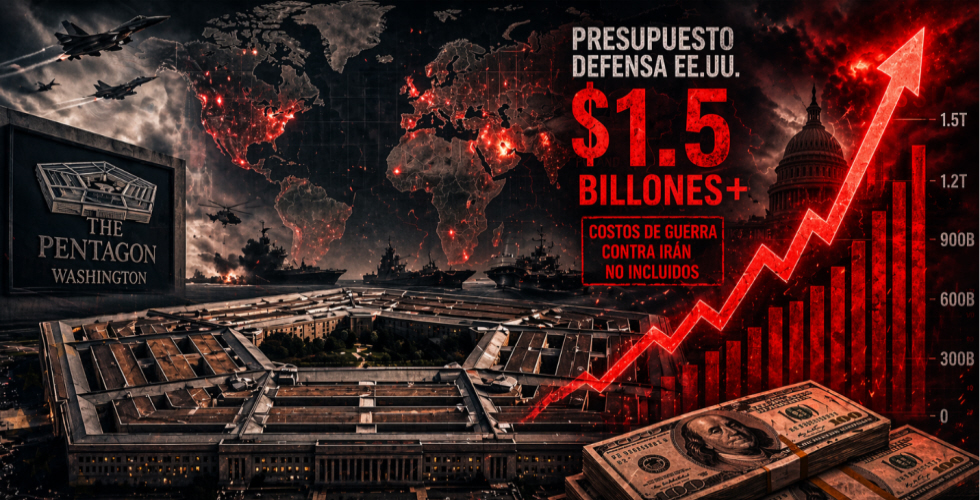
The United States is entering a new phase of military spending as rising global tensions reshape its defense priorities. Early projections suggest that future Pentagon budgets could climb significantly beyond current levels, driven by escalating conflicts and expanding strategic commitments. While no official figure has confirmed a $1.5 trillion request, the trajectory points clearly upward. The financial pressure on Washington is beginning to intensify. At the center of this shift is the growing strain linked to the conflict involving Iran. Military operations, logistical deployments and regional stabilization efforts require sustained funding.
These costs extend far beyond immediate battlefield expenses. Long-term commitments often multiply the real price of war. Defense analysts warn that official budget requests rarely reflect the full economic impact of military engagements. Hidden costs such as equipment degradation, ammunition replenishment and infrastructure strain can add hundreds of billions over time. These expenses are typically distributed across multiple fiscal cycles. The true financial burden emerges gradually. The Pentagon continues to prioritize modernization, including advanced weapons systems, cyber defense and strategic deterrence.
However, these investments come at a time when operational demands are already increasing. The overlap between modernization and active conflict creates a complex financial equation. Balancing both priorities is becoming increasingly difficult. Markets and policymakers are closely watching the trajectory of U.S. defense spending. A sustained increase could have ripple effects across global markets, particularly in energy, manufacturing and defense industries. Rising military expenditure often signals prolonged instability. Investors are adjusting expectations accordingly.
Domestically, the debate over defense funding is expected to intensify. Higher military spending raises questions about fiscal sustainability and national priorities. Lawmakers face growing pressure to justify expanding budgets while addressing domestic needs. The balance between security and economic stability is becoming more fragile. Globally, increased U.S. military investment sends a strong geopolitical signal. It reinforces Washington’s commitment to maintaining strategic dominance while responding to emerging threats. At the same time, it may accelerate similar spending patterns among rival powers.
The risk of an escalating arms dynamic cannot be ignored. As tensions persist, the long-term cost of conflict will likely extend far beyond current projections. The financial footprint of modern warfare continues to expand in ways that are difficult to quantify in real time. What begins as a budget increase can evolve into a structural shift. The global system is entering a more expensive and uncertain era.

