
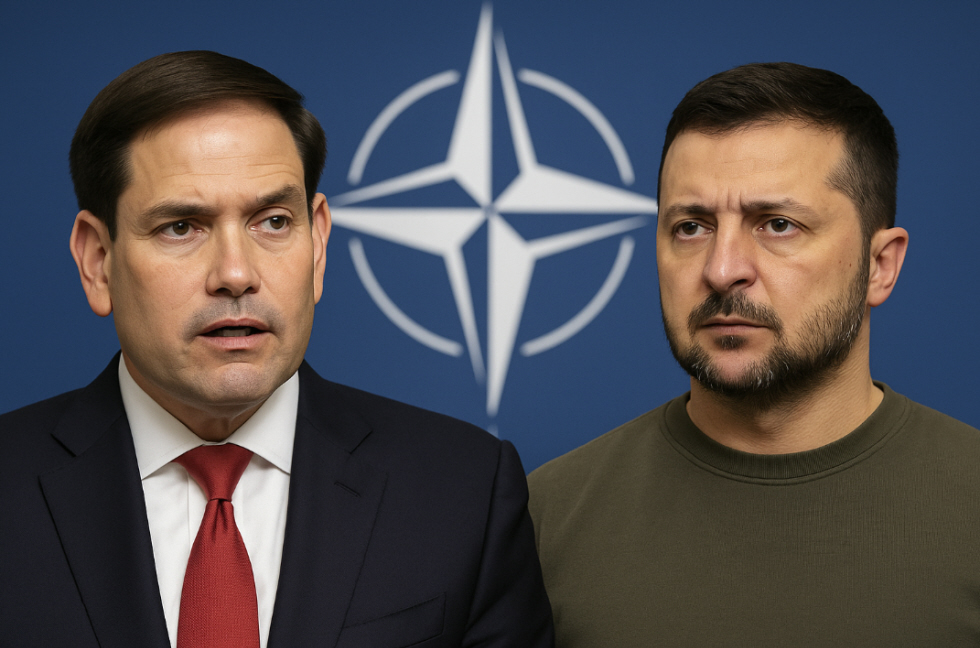
International pressure over the future of the war in Ukraine intensified as the United States advanced a 28-point peace plan that has stirred tensions between Washington, Europe, and Moscow. Although details remain undisclosed, European representatives in Geneva confirmed that a revised alternative is taking shape, softening earlier territorial concessions and proposing U.S.-backed security guarantees modeled after NATO’s collective defense principles.
Russia reacted swiftly, calling the plan “completely unacceptable” and accusing Europe of fueling conflict. The Kremlin later insisted it had no official information on the new draft and urged restraint until negotiations progress further. Ukraine’s delegation expressed cautious optimism, stating that the current version of the proposal reflects its national priorities and does not undermine its sovereignty.
President Volodymyr Zelensky said he is ready to continue working with the U.S. and allied partners to reach a framework that strengthens Ukraine and ensures Russia bears responsibility for the war, including through the use of frozen Russian assets. Meanwhile, President Donald Trump increased pressure on Kyiv by claiming Ukraine has shown insufficient gratitude for U.S. support, though his Secretary of State clarified that the deadline mentioned by the White House may not be definitive. Senator Marco Rubio, who led the U.S. delegation in Geneva, reported
“tremendous progress” on the revised peace concept before departing Switzerland. He emphasized that remaining issues are not insurmountable and that matters directly impacting Europe and NATO will be addressed separately. Germany’s foreign minister praised the developments as a decisive success for Europe, arguing that the new approach upholds Ukraine’s sovereignty and avoids decisions taken over the heads of European allies.
Still, the final agreement will require approval from Trump, Zelensky, and, ultimately, acceptance from Moscow — a condition that will determine whether the proposal can become a viable roadmap to peace.
Revised Ukraine peace plan sparks debate
Listen to the full English narration.


