
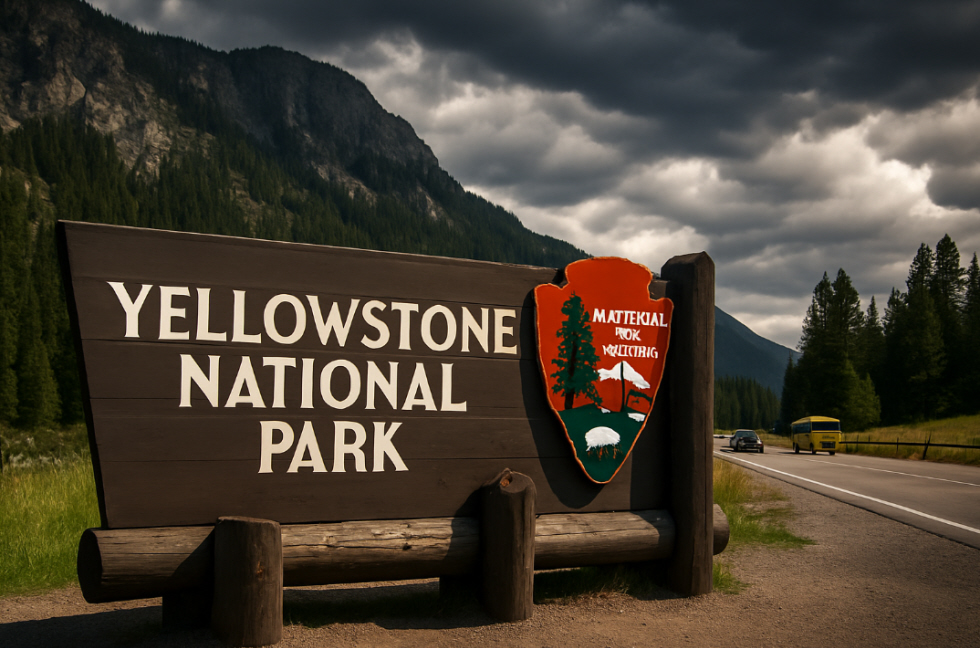
Beginning next year, visiting the most iconic national parks in the United States will become significantly more expensive for foreign tourists. Starting in January, eleven of the country’s most popular parks will implement an additional $100 per-person fee, charged on top of the standard entrance cost. The surcharge will only apply to visitors aged 16 and older, while minors will continue to be exempt. The regular entry fee for most national parks—currently around $35 per vehicle—will remain unchanged.
However, the new surcharge will apply regardless of how visitors enter the park, meaning those who arrive on foot or by bus will still be required to pay the full $100. For travelers who plan to visit multiple parks, the government will offer a new annual pass for international visitors priced at $250, valid for all passengers traveling in the same vehicle. According to the Department of the Interior, the policy stems from an executive order signed by President Donald Trump in July, framed under his “America First” approach, which prioritizes U.S. taxpayers in the use of public and federally funded services, including recreational areas such as national parks.
In contrast, U.S. citizens and permanent residents will continue to benefit from a low-cost annual pass, priced at $80 starting in January. Interior Secretary Doug Burgum stated that the updated fee structure will preserve affordable access for Americans while ensuring that international visitors contribute “fairly and proportionately” to the upkeep and long-term preservation of the parks.
The new rules apply to several of the most visited and beloved destinations in the United States, including Acadia, Bryce Canyon, Everglades, Glacier, Grand Canyon, Grand Teton, Rocky Mountain, Sequoia and Kings Canyon, Yellowstone, Yosemite, and Zion. Authorities say the additional revenue will help fund conservation efforts, infrastructure improvements, and enhancements to the visitor experience.


