
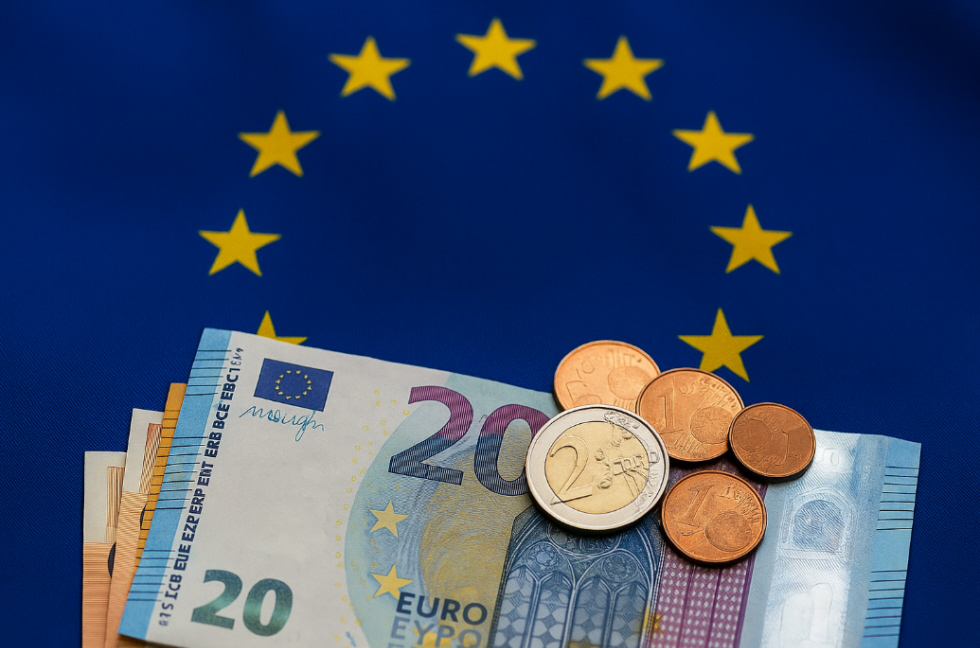
Inflation in Europe has fallen to its lowest level in the past two years, driven by a combination of moderating energy prices, stabilizing food costs, and domestic demand returning to normal after recent inflationary peaks. This decline has brought relief to households, which are now seeing a slowdown in the cost of living, and has created a more optimistic mood among consumers and financial markets.
Central banks across the region — having tightened monetary policy in previous months and monitored the effects of higher rates — now appear positioned to consider potential rate cuts, a move that could stimulate investment and reignite economic growth. Although this scenario is encouraging, analysts warn that lower inflation does not mean Europe’s macroeconomic challenges have disappeared.
Key sectors such as energy and food remain volatile, and rising wages combined with pressure for greater purchasing power could reignite inflationary tensions. Moreover, in a globally uncertain environment marked by geopolitical crises, recession risks in major economies, and fluctuations in commodity markets, Europe must proceed with caution. The path to recovery will depend on effective fiscal and monetary strategies, targeted investment, and a sustained rebound in domestic consumption.

