
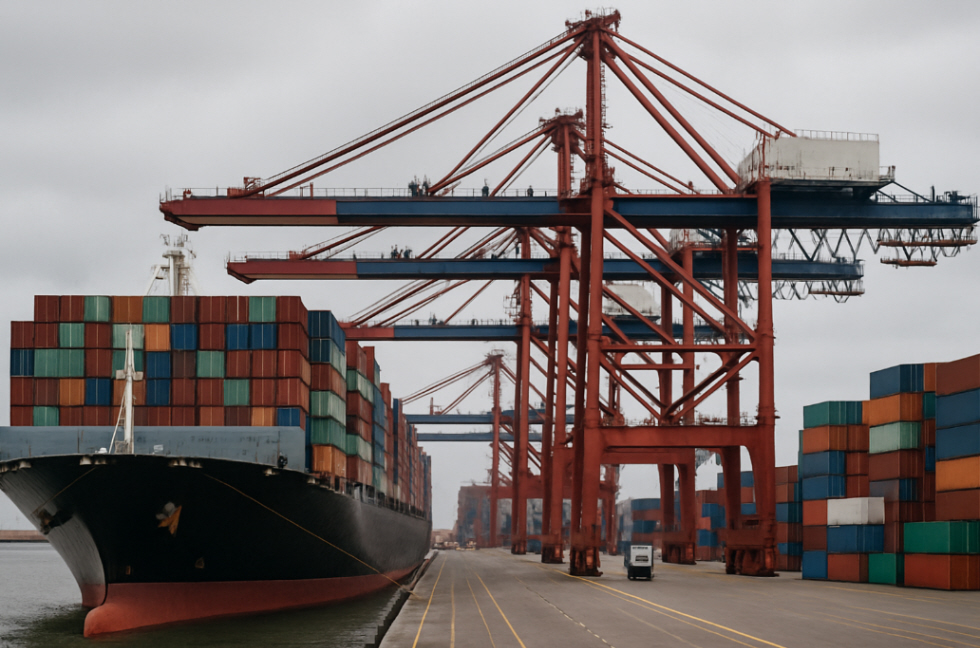
Global trade is showing clear signs of cooling after several quarters of intense activity driven by early purchasing across multiple markets seeking to anticipate the implementation of new international tariffs. With the recent decline in the world merchandise index, the Organisation for Economic Co-operation and Development warns that global demand is moderating, which could translate into lower export and import flows in the coming months.
This slowdown is particularly evident in sectors sensitive to transportation costs and global economic trends, such as industrial goods, electronics, and energy-related commodities, whose volumes are beginning to soften compared to the strong momentum seen last year. The cooling of global trade also reflects greater caution from businesses and consumers amid an environment marked by geopolitical tensions, fluctuations in energy prices, and an uneven global recovery.
Many advanced economies are facing weaker consumption and softer labor markets, while emerging markets struggle with inflationary pressures and high financing costs. This combination reduces the intensity of international exchange, slows production, and forces companies to adjust their inventory, logistics, and short-term planning strategies to the new reality. Looking ahead, the outlook will depend on whether major economies manage to regain internal stability and clarity in trade policy.
If weak consumption persists and trade tensions continue to undermine confidence, global commerce may end the year below initial expectations. However, a potential normalization of supply chains, relief in energy costs, and improved business sentiment could provide renewed momentum later on. For now, the message is clear: the engine of global trade is losing speed, and the coming months will be decisive in determining the direction of the world economy.

