
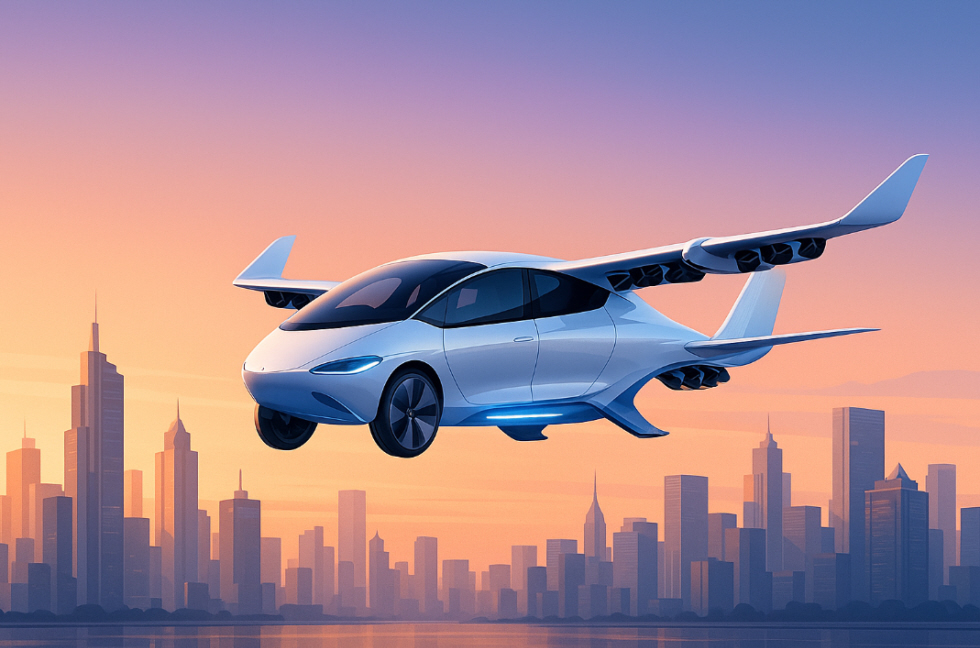
BMW has taken a bold leap into the future of urban mobility by partnering with German aerospace startup Lilium to develop and test a fleet of all-electric air taxis, which could begin commercial operations as soon as 2026. The project, currently in its advanced testing phase in Bavaria, aims to revolutionize transportation in congested metropolitan areas by offering a fast, quiet, and zero-emission alternative to traditional ground vehicles.
The aircraft, known as eVTOLs (electric vertical take-off and landing), are designed to carry up to six passengers and travel at speeds of 300 kilometers per hour with a range of 250 kilometers on a single charge. The aircraft take off and land vertically like helicopters but fly like airplanes once airborne, making them ideal for short regional routes and urban air mobility networks.
According to Lilium’s engineers, the eVTOLs use a network of small ducted electric fans integrated into their wings, drastically reducing noise levels and maintenance costs compared to conventional helicopters. BMW’s design division has been responsible for creating the passenger cabin, which features panoramic windows, smart lighting, and ergonomic seating aimed at delivering a premium experience.
The two companies have already built several full-scale prototypes and are conducting rigorous flight and safety tests under the supervision of the European Union Aviation Safety Agency (EASA). Industry analysts believe this collaboration could position Germany as a global leader in the emerging air mobility sector and help reduce road congestion and emissions in Europe’s major cities.
Lilium has stated that it plans to launch its first commercial routes between major cities in southern Germany and northern Italy, with expansion to other European and Middle Eastern hubs by 2027. If successful, this initiative could mark the dawn of a new era in urban transportation, bringing the concept of flying taxis from science fiction to everyday reality within just a few years.