
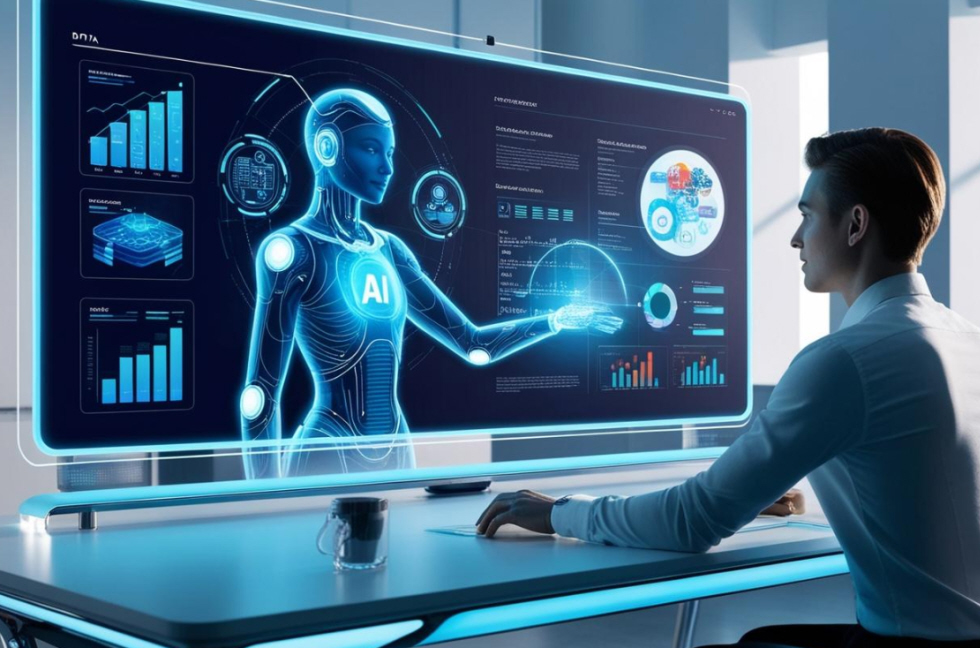
Microsoft is moving forward aggressively with the integration of artificial intelligence into its Windows operating system, pushing automation far beyond traditional chatbots. After embedding conversational AI tools powered by advanced language models similar to ChatGPT, the company is now introducing so-called “AI agents,” systems designed to operate the computer on behalf of the user by executing tasks, navigating files, opening applications, and making basic decisions on demand.
This technological leap, presented as a major evolution of the personal computing experience, is generating growing skepticism rather than widespread excitement. These new AI agents are intended to transform Windows into a more autonomous and proactive environment, where the system does not merely respond to commands but acts as a continuous digital assistant.
In theory, such agents could handle repetitive tasks, streamline workflows, and make computers easier to use for people with limited technical skills. Microsoft has framed this development as the natural next step following the integration of large language models across its software ecosystem. However, even Microsoft appears unconvinced that the technology is fully ready for broad, unrestricted use. In technical briefings and internal discussions, the company has acknowledged significant limitations related to reliability, user control, and security.
Granting AI agents direct access to the operating system introduces clear risks, particularly if an agent misinterprets an instruction, performs unintended actions, or makes incorrect decisions without sufficient human oversight. User reaction has been notably critical. Across forums, social media, and tech communities, complaints are mounting about the growing presence of AI features enabled by default, the difficulty of fully disabling them, and a perceived loss of control over personal computers.
Many users worry that Windows may shift from being a predictable tool into a system that “decides for them,” while others raise concerns about data privacy and how user activity is processed by AI-driven services. There is also widespread doubt about the real-world usefulness of these agents in their current form. While demonstrations highlight ideal scenarios, everyday use often reveals basic errors, poor contextual understanding, and a need for constant corrections.
This reinforces the perception that Microsoft may be pushing an immature technology, driven more by competitive pressure in the AI race than by genuine user demand. With its deep financial ties to OpenAI and its dominant position in the operating system market, Microsoft is uniquely positioned to shape the future of personal computing. Yet the rapid deployment of AI agents in Windows raises a fundamental question: should artificial intelligence adapt to users, or will users be forced to adapt to a technology that has not yet proven it is ready? The debate is only beginning, and public response may ultimately determine the pace and direction of this transformation.


