
Efforts to resolve the diplomatic crisis between Japan and China have so far produced no results after the new Japanese prime minister’s controversial statements about Taiwan, remarks that Beijing described as a direct provocation. Instead of easing tensions, both governments have hardened their positions, increasing the risk of escalation.
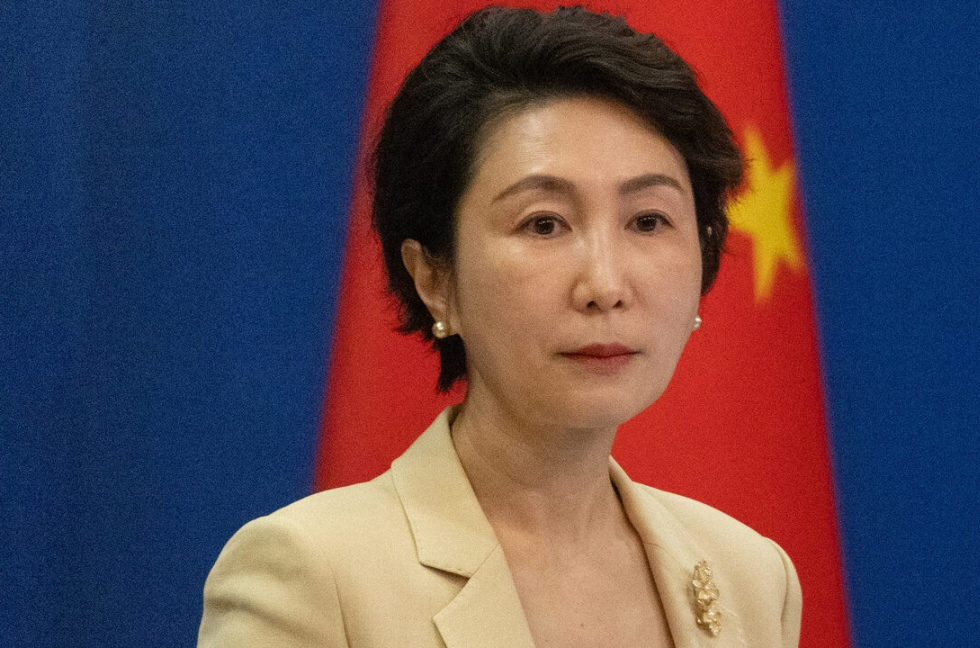
In this context, China has begun using economic pressure. Foreign Ministry spokesperson Mao Ning announced a ban on Japanese seafood imports, arguing that Tokyo failed to provide required export documents and that Prime Minister Takaichi’s recent comments sparked widespread anger among the Chinese public.
The statements from Japan’s conservative new leader were considered especially sensitive. He told parliament that a Chinese attack on Taiwan—seen as a threat to Japan’s survival—could trigger a military response. Beijing reacted immediately: a Chinese diplomat in Japan posted a forceful message on social media, prompting a formal reprimand from Tokyo.
In addition, Chinese authorities and media outlets have encouraged citizens to avoid traveling to Japan as a way to hurt its tourism sector and increase indirect pressure. Mao warned that if Japan refuses to retract the prime minister’s remarks and continues “making mistakes,” China will take “harsh and decisive” countermeasures, stressing that Tokyo must be ready to face the consequences.
Since 1949, Beijing has regarded Taiwan as a separatist territory that must be reunified with the mainland, by force if necessary. The island, governed democratically and highly industrialized, relies heavily on support from the United States. The waters surrounding Taiwan form an essential maritime route for global trade — and a critical lifeline for Japan’s own commercial fleet — making rising tensions in the area a major geopolitical concern for the entire region.


