

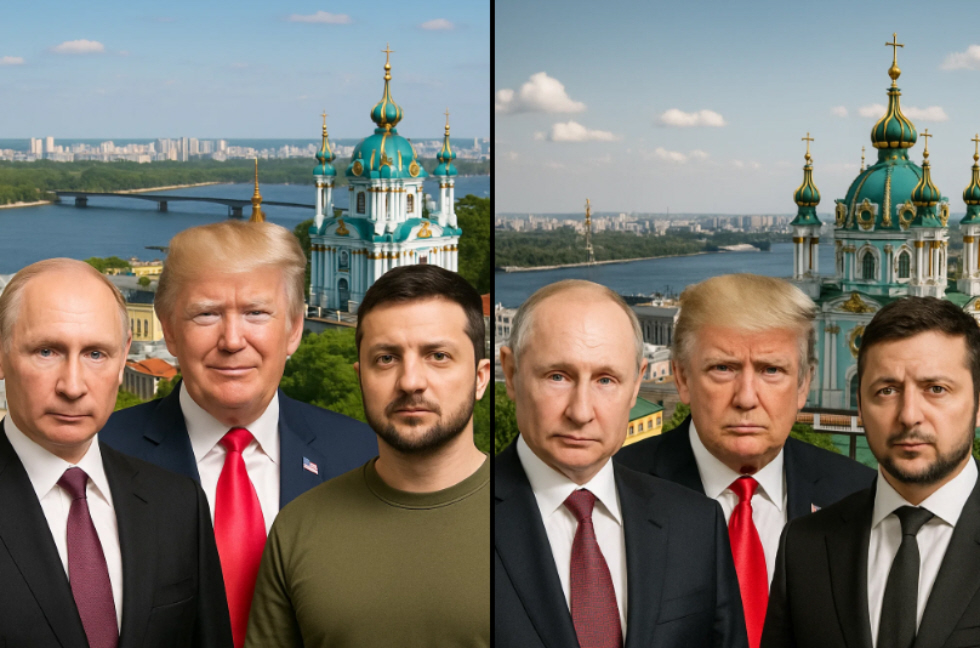
Russian President Vladimir Putin has once again placed the blame for the war in Ukraine on the United States and the West, arguing that NATO’s expansion policies and the constant flow of Western military and diplomatic support to Kyiv were the key triggers that forced Moscow into action. Speaking at the Valdai Forum in Sochi, Putin claimed that the West “provoked” and “stimulated” the hostility by expanding military infrastructure toward Russia’s borders and supplying Ukraine with long-range weapons, measures he described as intolerable threats to Russian security.
He singled out the delivery of Tomahawk missiles and other advanced systems as a direct escalation by the United States, asserting that such moves effectively transform the conflict into a confrontation between Moscow and Washington by proxy. In his remarks, Putin downplayed accusations that Russia was the aggressor, insisting instead that Moscow was compelled to defend itself against external dangers:
“We have been dragged into this war by decisions made across the Atlantic,” he said. The Kremlin’s narrative continues to frame Russia as the victim of a Western strategy aimed at weakening it, while portraying its military operations as defensive and justified. International analysts caution that this rhetoric deepens the Kremlin’s propaganda line, further complicating diplomatic efforts for peace by making it harder to establish a shared framework for negotiations.
Observers also note that Putin’s statements carry practical implications: they could serve to justify future escalations, deflect responsibility for war crimes, or rally domestic support in Russia. Western leaders and Ukraine have dismissed his claims as disinformation, reiterating that Russia remains the sole aggressor. Nevertheless, Putin’s narrative remains a central component of the broader information war accompanying the battlefield conflict, shaping perceptions both at home and abroad.


