
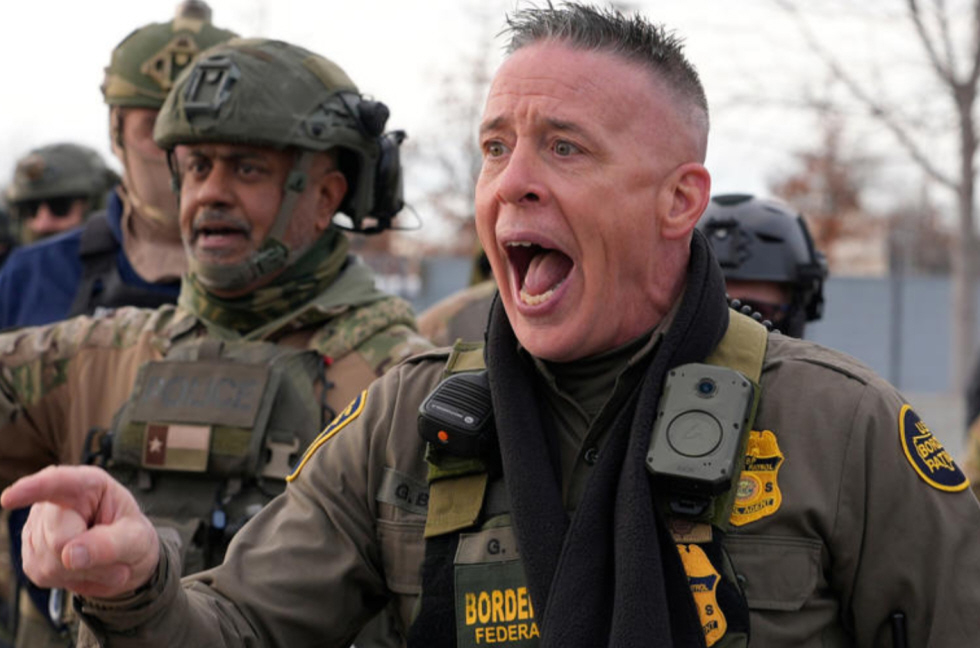
The controversial U.S. Border Patrol commander Greg Bovino has been removed from his post in Minneapolis and demoted following a series of events that included two fatal shootings in the city. The decision marks a sudden shift in the trajectory of one of the most visible figures associated with the government’s border enforcement strategy. Bovino is not only leaving his position in Minneapolis but is also being reassigned to a lower-ranking role as a border commander in El Centro, a city in California’s desert region.
The move effectively brings his national profile within federal law enforcement to an end. Under the new arrangement, Bovino will return to a post he previously held, at a time when he is nearing retirement. U.S. regulations require border agents to retire at 57, and Bovino is currently 55, reinforcing the sense that his career is entering its final stage.
The reassignment comes amid heightened public and political scrutiny following the fatal shootings in Minneapolis, incidents that intensified criticism over the use of force and operational oversight by federal authorities in the city. During his tenure in Minneapolis, Bovino became a polarizing figure. His hardline approach and willingness to appear publicly during operations placed him at the center of ongoing debates about enforcement tactics and crowd-control measures.
Critics argued that his public-facing style contributed to increased tension during already volatile situations. Those concerns grew stronger after the violent incidents that drew national attention. At the same time, speculation has surrounded the position of Homeland Security Secretary Kristi Noem. President Donald Trump, however, has made clear that she retains his support and will remain in her role.
The White House has framed Bovino’s demotion as an internal adjustment rather than a broader shift in policy. Officials have emphasized continuity in leadership at the top of the Department of Homeland Security. The case highlights the ongoing strains within federal security agencies operating under intense political pressure, as debates over migration, law enforcement authority, and accountability continue to shape public discourse.
With Bovino’s removal from a key post, attention now turns to how federal authorities will manage future operations, balancing security objectives with institutional responsibility and oversight in complex urban environments.


