
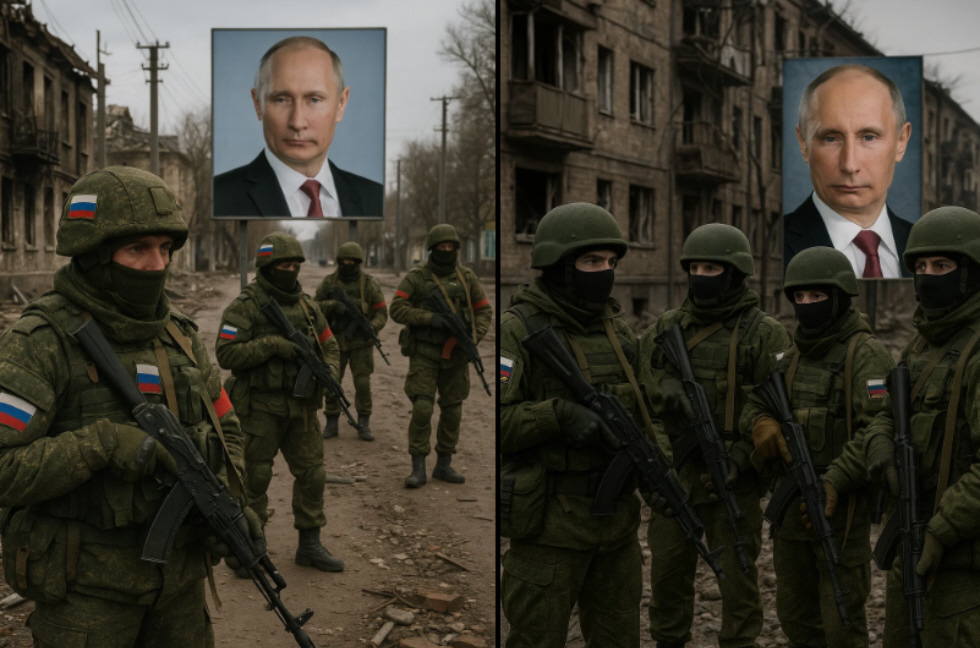
Moscow, October 10, 2025 — Three years and seven months after launching its full-scale invasion of Ukraine, the Russian government has unveiled a new national budget that it claims will bring “stability and growth.” In reality, the numbers tell a different story — one in which the Russian population is increasingly footing the bill for a war that shows no sign of ending. The Kremlin’s latest budget confirms that military spending remains the backbone of Russia’s economy, with defense and security once again receiving the lion’s share of public funds. According to official figures, more than 35% of total state expenditures
will go to defense, internal security, and military operations abroad. By contrast, sectors such as education, healthcare, and infrastructure continue to face severe underfunding. President Vladimir Putin’s administration insists that the budget “guarantees social stability and national security,” but independent analysts paint a darker picture. Russia’s economy is now locked in a structural stagnation, sustained only by the machinery of war. The combination of prolonged conflict, Western sanctions, and a persistent brain drain has eroded investment and weakened productivity across multiple sectors.
“Russia has effectively transformed into a wartime economy,” said economist Natalia Zubarevich, a leading expert on regional development. “Growth figures are artificially inflated by weapons production, while the real income of ordinary citizens keeps falling.” Over the past months, the Kremlin has announced a series of new tax increases aimed at financing its expanding military operations. Businesses and workers alike are being required to contribute more to state coffers, triggering quiet discontent among the urban middle class.
Social spending, meanwhile, has been reduced in real terms, deepening the hardship faced by millions of Russian families. Despite the official narrative of “economic resilience,” key indicators reveal mounting pressure. The ruble remains weak against the dollar, the price of basic goods has surged by more than 20% over the past year, and real wages are struggling to keep pace with inflation. In many rural regions, poverty levels are rising sharply, fueling frustration and fatigue among local communities.
Meanwhile, the defense sector continues to operate at full capacity. Russian arms factories are running around the clock, producing tanks, missiles, and ammunition to sustain the war effort. Military exports to allied nations such as Iran and North Korea have become a crucial source of foreign currency for Moscow. Observers say the new budget confirms Russia’s transition toward a “long-term war economy,” where national strength is measured not by social well-being but by the capacity to maintain conflict. The Kremlin’s message is clear: the war remains the top priority, even as the domestic cost grows heavier by the day. For millions of Russians, that cost is already being felt — in higher taxes, lower living standards, and an economy increasingly built not for prosperity, but for survival.


