
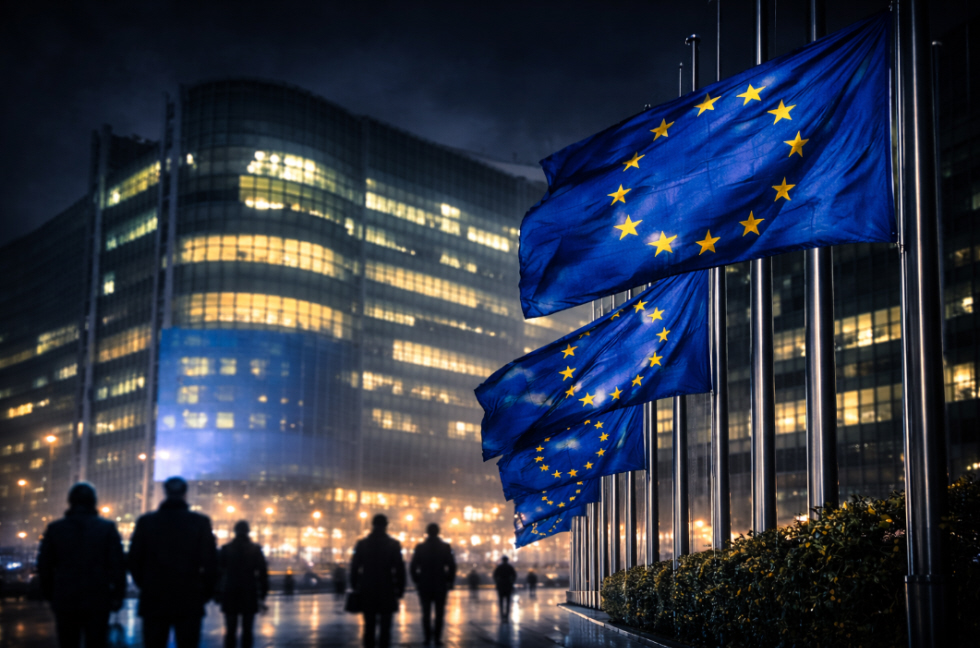
Hungary has blocked a proposed €90 billion European Union loan package intended to provide financial support to Ukraine, exposing once again the deep divisions within the bloc over its long-term strategy toward the ongoing war. The decision was driven by Prime Minister Viktor Orbán, who has repeatedly taken a more cautious stance on EU policies concerning Kyiv. Orbán has stated that Hungary will not lift its veto until oil transit through the Druzhba pipeline is fully restored.
The pipeline remains a critical energy artery for several Central European countries, and Budapest considers uninterrupted supply a matter of national security. The Hungarian government argues that approving such a significant financial commitment without resolving energy concerns would place undue pressure on its domestic economy. Officials in Budapest insist that national interests must be safeguarded before endorsing further large-scale EU funding initiatives.
The blocked loan is part of a broader macro-financial assistance plan designed to stabilize Ukraine’s economy amid the prolonged conflict. The European Union aims to ensure fiscal continuity in Kyiv, maintain essential public services, and protect key infrastructure. Hungary’s move complicates Brussels’ efforts to present a unified front in support of Ukraine. At a time when geopolitical tensions remain high, internal disagreements risk weakening the bloc’s strategic credibility. Meanwhile, developments on the ground continue to underscore the urgency of financial assistance.
A series of explosions were reported overnight in Lviv and Kyiv, heightening concerns about ongoing security threats. Ukrainian authorities confirmed damage to urban infrastructure, though full assessments are still underway. These incidents reinforce calls from several EU member states for swift approval of the financial package. Hungary’s position is not unprecedented.
Orbán has previously diverged from the broader EU consensus on matters involving sanctions against Russia, military support for Ukraine, and broader geopolitical alignment. Diplomatic negotiations are expected to intensify in the coming days as European leaders seek a compromise capable of unlocking the funds without deepening institutional fractures. The outcome of this standoff will not only shape Ukraine’s short-term financial stability but will also test the political cohesion of the European Union at a critical moment in its modern history.


