
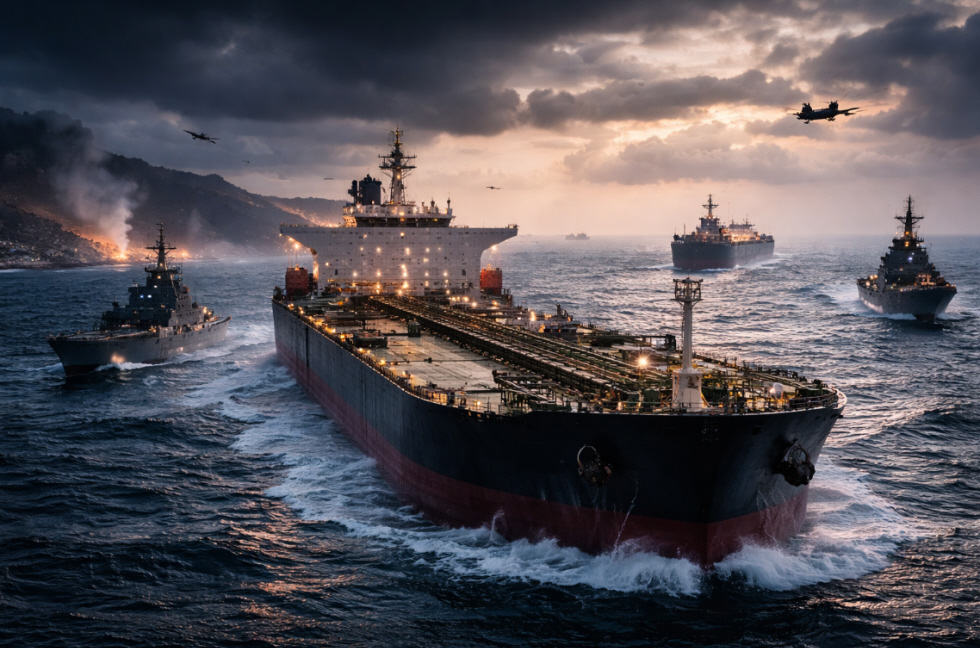
Iran has increased its oil exports to China even as military tensions continue to escalate around the strategic Strait of Hormuz, one of the most important energy shipping routes in the world. The increase in shipments comes at a time when the regional conflict has made the waterway increasingly dangerous for global maritime traffic.
Authorities in Iran claim their forces now maintain operational control over the strait, a narrow passage through which roughly one-fifth of the world’s oil supply normally flows. Despite the ongoing fighting and growing security concerns in the region, Iranian oil cargoes continue to leave ports and head primarily toward China, which has become one of the country’s most important buyers of crude.
The rise in shipments is taking place as the strait transforms into one of the most sensitive maritime zones in global trade. Shipping companies and oil tanker operators are closely monitoring the situation amid fears of potential attacks or disruptions. The Strait of Hormuz links the Persian Gulf with the Gulf of Oman and the wider Indian Ocean. Every day millions of barrels of oil travel through these waters toward energy markets in Asia, Europe and North America.
The broader conflict involving Iran, the United States and Israel has significantly increased tensions across the region, raising concerns that the fighting could spread into critical maritime routes. Energy analysts warn that any prolonged disruption to traffic through the strait could trigger significant increases in global oil prices and create instability in international energy markets.
Even under these conditions, Iranian exports to China appear to be continuing, highlighting the strategic importance of the energy relationship between the two countries. Maintaining oil shipments allows Iran to preserve a crucial source of revenue despite the economic pressure created by sanctions and regional conflict. As the war in the Middle East continues to evolve, the Strait of Hormuz remains one of the most fragile geopolitical chokepoints in the world, where any incident could quickly ripple through the global economy.


