
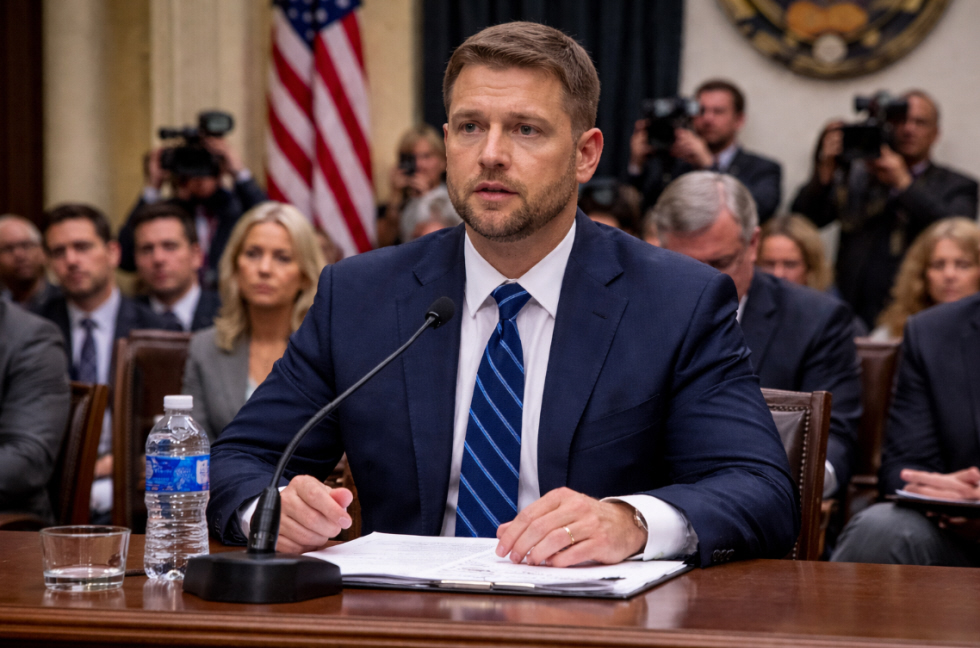
A former instructor at the U.S. Immigration and Customs Enforcement (ICE) training academy told members of Congress that the preparation of new agents is “inadequate, defective, and broken.” Ryan Schwank, who left his position as a law instructor at the Federal Law Enforcement Training Center in Glynco, Georgia, in February, delivered his testimony during a congressional forum this week.
Schwank argued that the training program has undergone significant reductions in both duration and instructional depth. According to his remarks, the shortened curriculum could affect the legal and operational readiness of recruits assigned to sensitive immigration enforcement duties. The former instructor further claimed that he was given confidential directives that, in his view, involved practices inconsistent with constitutional standards.
He specifically referenced guidance suggesting entry into homes without a judicial warrant, describing the instruction as “clearly unlawful.” His testimony emerged amid a broader political debate over immigration enforcement policies and agency oversight. Democratic lawmakers who organized the hearing stated that the allegations warrant closer examination of ICE’s training protocols and internal supervision mechanisms.
The Department of Homeland Security (DHS), which oversees ICE, rejected the claims that unconstitutional practices are being taught. Agency officials maintain that legal instruction and constitutional protections remain core components of the training curriculum. The exchange reflects the ongoing polarization surrounding immigration enforcement in the United States.
While some policymakers argue for stronger enforcement tools, others emphasize strict adherence to constitutional safeguards and due process protections. Legal scholars note that entering a private residence without a warrant is subject to narrow legal exceptions, and any systemic deviation could expose the agency to litigation and institutional consequences. As a result, the matter extends beyond political rhetoric into fundamental constitutional concerns.
Schwank’s statements add pressure on ICE leadership at a time when the agency already faces heightened public scrutiny regarding enforcement methods and accountability standards. Additional hearings could follow if Congress opts to pursue further inquiry. Beyond partisan dynamics, the issue raises a central question: how to balance immigration enforcement responsibilities with the preservation of civil liberties.
That tension has long defined the national conversation on border and interior enforcement policy. For now, no formal judicial findings have been issued supporting the former instructor’s allegations, and ICE continues to deny any unlawful directives. The trajectory of the case will likely depend on future legislative reviews and potential independent investigations.


