
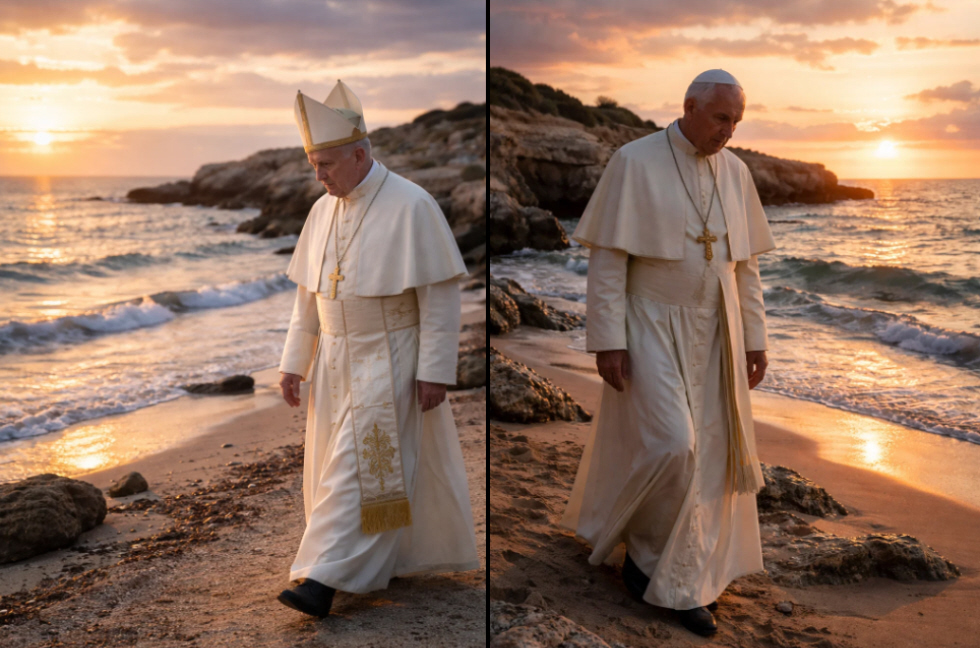
The Vatican has confirmed that the Pope will not travel to the United States for the 250th anniversary celebrations of American independence. The decision stands out given the historic significance of the event and the global attention it is expected to attract. Instead, the pontiff is scheduled to visit the Italian island of Lampedusa on July 4. The destination carries strong symbolic weight, as Lampedusa has become one of Europe’s most visible entry points for migrants crossing the Mediterranean.
The absence of a papal visit to the United States during such a milestone has drawn political interpretation, particularly in light of ongoing debates surrounding migration policies. While no official statement framed the decision as a direct political message, the contrast between a national celebration in Washington and a humanitarian visit to Lampedusa has not gone unnoticed.
Lampedusa has long represented the human face of migration pressures in Europe, and the Pope has consistently emphasized compassion, protection, and dignity for displaced people. The 250th anniversary of American independence is a major institutional moment, typically marked by high-profile international participation and diplomatic gestures. Choosing not to attend and instead focus on a migration-related visit underscores the pontiff’s prioritization of humanitarian issues over ceremonial engagements.
U.S. immigration policy has remained a subject of international scrutiny in recent years, especially regarding border enforcement and asylum regulations. Nevertheless, the Vatican’s official communication has centered on the pastoral and humanitarian purpose of the Lampedusa visit, avoiding explicit references to political disputes. Beyond political interpretations, the decision reinforces that migration remains a central pillar of the Pope’s global leadership agenda.


