
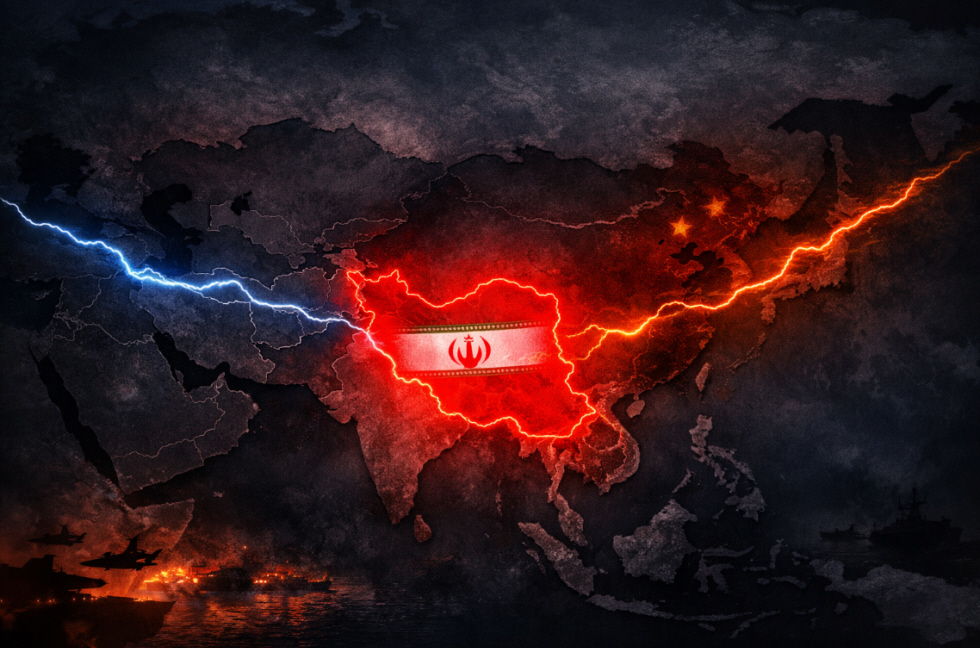
Iran’s geopolitical position appears increasingly fragile as the country faces sustained military pressure from the United States and its allies. With its leadership shaken and its military infrastructure under strain, Tehran is confronting one of the most difficult moments in its recent history. For years, the Islamic Republic relied on a network of strategic partnerships that included close ties with Russia and China.
However, in the current conflict, both countries have adopted a cautious stance and limited their responses largely to diplomatic statements. Reactions from Moscow and Beijing have mainly consisted of calls for restraint and criticism of the escalating military tensions in the region, but without any clear indication of direct military support for Iran. This position reflects the complex geopolitical balance both powers are trying to maintain as they seek to protect their global interests while avoiding a direct confrontation with the United States and its Western allies.
For Tehran, the absence of immediate military backing from its most powerful partners has created a growing sense of strategic isolation amid an already volatile regional environment. Analysts believe the situation highlights the limits of international alliances, particularly when the risks of entering a conflict may outweigh the potential strategic benefits.
Russia and China maintain economic and political relationships with Iran, but they also have broader interests that include stability in global energy markets and the prevention of a wider military escalation. At the same time, the current crisis has intensified concerns about security across the Middle East, a region that has long been a focal point of geopolitical rivalry among major powers.
The lack of direct military support from Moscow or Beijing could influence Iran’s strategic calculations as its leadership evaluates possible responses to mounting international pressure. In this uncertain landscape, the future of the crisis will depend not only on Tehran’s decisions but also on how relations among the world’s major powers evolve in an increasingly complex global environment.

