
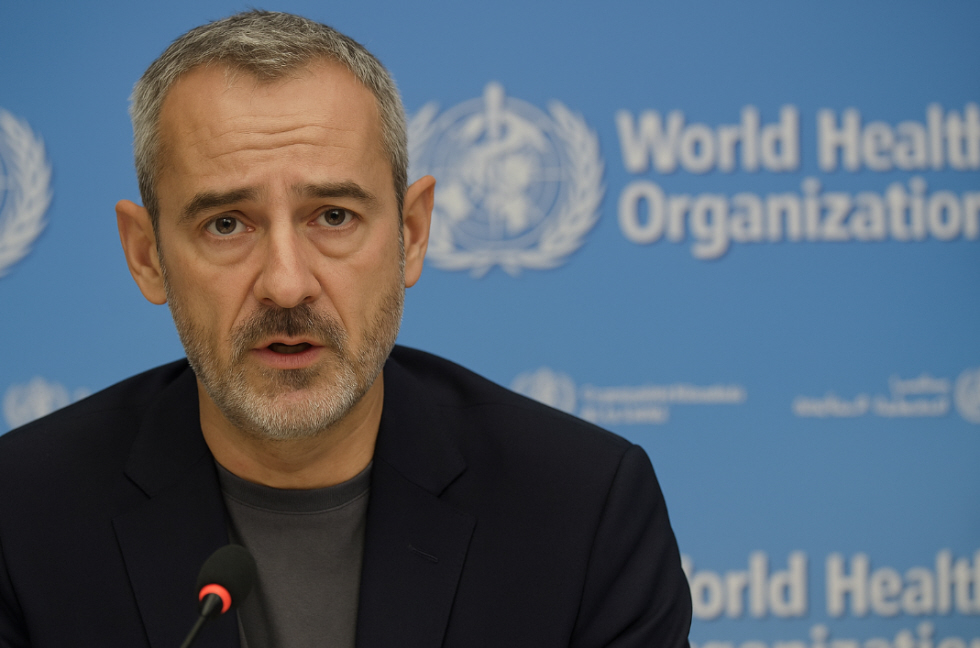
Experts and medical organizations worldwide have strongly criticized recent statements by U.S. President Donald Trump regarding an alleged link between taking paracetamol during pregnancy and autism. The World Health Organization (WHO) emphasized that there is no conclusive scientific evidence to support such a connection. “Some observational studies have suggested a possible association between prenatal exposure to paracetamol and autism, but the data are contradictory,” explained WHO spokesperson Tarik Jasarevic, adding that numerous other studies have not confirmed this correlation.
“If the link were truly strong, it would have been observed consistently across different studies,” he noted, warning against “drawing premature conclusions” about the role of acetaminophen in autism. On Monday, Trump claimed that the use of Tylenol—the U.S. brand name for paracetamol—during pregnancy could be “associated with a much higher risk of autism.
” Furthermore, in the presence of Health and Human Services Secretary Robert F. Kennedy Jr., known for his vaccine-skeptical views, Trump suggested that people who neither got vaccinated nor took medications did not develop autism, a statement widely discredited by the scientific community. Responding to these remarks, the WHO spokesperson was categorical: “Vaccines save lives, this is scientifically proven. Vaccines do not cause autism, and this fact must not be questioned.
” Pharmaceutical company Kenvue, the maker of Tylenol, responded on its website by stressing that millions of families have trusted the medication for generations and that there is no scientific evidence proving any link between its use and autism. From the medical community, the response was equally firm. The American College of Obstetricians and Gynecologists (ACOG) described the U.S. government’s recommendations as “irresponsible,” arguing that they send a “harmful and confusing message” to pregnant women, particularly those who may need the drug to manage pain or fever during pregnancy.
“The government’s assessment ignores scientific findings and dangerously oversimplifies the many factors that may influence neurological disorders,” the association stated. In Europe, the renowned Embryotox Institute of the Charité University Hospital in Berlin also weighed in on the debate, noting that paracetamol remains a proven and well-tolerated option during pregnancy, provided it is used under medical supervision.
“Like any other painkiller, it should not be taken indiscriminately or for prolonged periods, but when there is a clear indication, paracetamol continues to be considered a medication of choice,” the institute emphasized. The controversy triggered by Trump’s comments has reignited debate about the need for responsibility in presidential statements related to public health and science, especially at a time when misinformation can have severe consequences for millions of patients worldwide.


