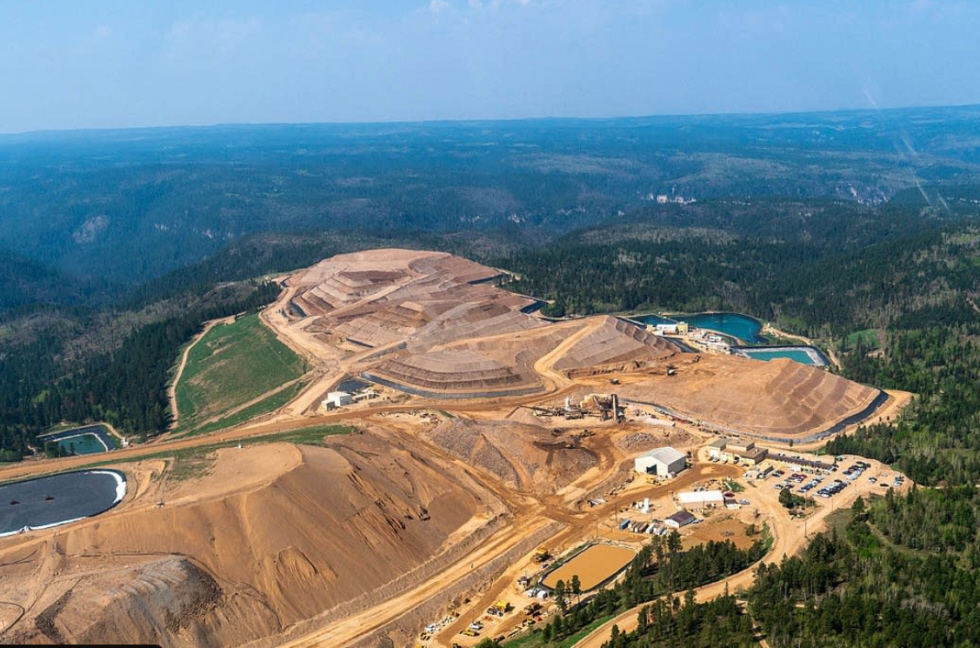
In the heart of the United States, beneath the rolling hills of South Dakota, a long-overlooked mining opportunity has reemerged—one that could reshape the nation’s strategic equation for critical resources. Lion Rock Resources, listed on the TSX-V as ROAR and on the OTC as LRRIF, is rediscovering a forgotten geological belt that contains three essential minerals: gold, lithium, and tin.
The convergence of these resources in a single region—within a stable political environment—places the company in a uniquely advantageous position within the landscape of materials vital to America’s technology, energy, and defense industries. The national implications are significant. Lithium is the backbone of modern battery systems, tin is indispensable for advanced semiconductors and circuitry, and gold remains a secure asset during periods of economic volatility.
The possibility of extracting all three strategic minerals within U.S. territory represents extraordinary geopolitical value, especially at a time when Washington is actively seeking to reduce reliance on countries such as China, Indonesia, and Bolivia, which dominate key segments of the global supply chain. Having a diversified domestic deposit also strengthens industrial resilience against external disruptions and ensures a more stable flow of materials needed for electric vehicles, clean-energy technologies, and next-generation military systems.
If Lion Rock Resources’ project advances as expected, South Dakota could emerge as a new strategic node within America’s mining infrastructure, contributing essential resources to the nation’s energy transition and technological competitiveness. The United States faces a critical challenge: securing the minerals that will define its industrial sovereignty for decades to come.
For that reason, the ongoing exploration effort may not only attract private investment and regional development, but also become a central component of the country’s economic and national-security architecture. Upcoming announcements regarding exploration results, reserve validation, and potential government agreements will determine how far this “triple-threat” mining opportunity can go in one of the most overlooked—yet potentially decisive—corners of U.S. territory.

