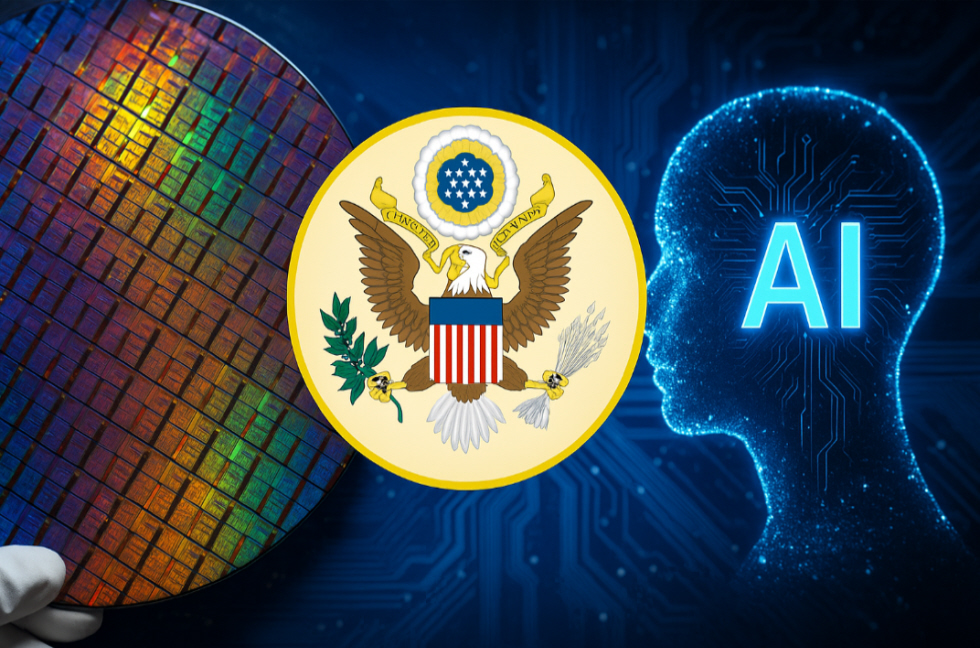
The United States is finalizing a new incentive package that could exceed 9 billion dollars to strengthen domestic production of advanced semiconductors, a strategy aimed at reducing technological dependence on Asia and ensuring long-term competitiveness in critical sectors such as artificial intelligence, defense, and high-performance computing. According to preliminary government projections, the White House plans to allocate these funds under the CHIPS Act, prioritizing projects already in advanced planning stages and capable of entering production before 2028.
The initiative forms part of a more assertive industrial policy designed to protect the nation’s digital infrastructure and reinforce resilience against global disruptions. Negotiations are progressing with key semiconductor manufacturers currently operating in the United States, including strategic partnerships with international firms seeking to expand their presence in the North American market. The new facilities expected to receive funding are designed to produce 2-nanometer chips and specialized architectures for artificial intelligence—both crucial areas in the global technological race.
According to industry advisers, Washington aims to accelerate the construction of mega-fabs capable of supporting the explosive demand driven by generative AI, quantum computing, and autonomous systems. Greater domestic production could help reduce costs, secure supply chains, and limit the influence of foreign actors over sensitive sectors. This new push complements previous government investments in strategic technology companies, reinforcing an industrial ecosystem designed to position the U.S. as a leader in advanced manufacturing capacity.
The strategy not only focuses on infrastructure, but also on developing specialized talent, expanding public research programs, and forging partnerships with leading technical universities. Analysts warn that global competition is intensifying, particularly as China and South Korea boost their own investments in cutting-edge technologies. However, for Washington, these efforts represent a long-term commitment to national technological security and industrial autonomy, consolidating a vision in which semiconductors become as essential as energy or telecommunications.

