
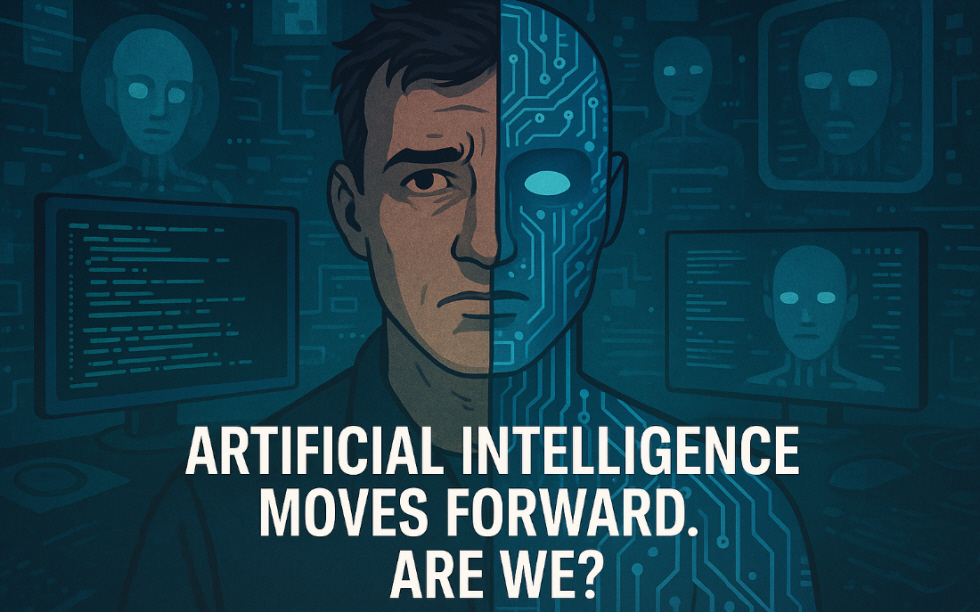
For decades, artificial intelligence was confined to science fiction or the world’s most advanced research labs. Today, however, AI is present in every corner of our daily lives — from the virtual assistants on our phones to the algorithms that decide what we see on social media, not to mention its growing presence in healthcare, finance, education, content creation, and even law.
The most astonishing part of this revolution is not just the speed at which it’s happening, but the silent way AI has embedded itself in essential aspects of life, often without the public fully understanding how it works. We live surrounded by algorithms that make decisions for us — with little transparency, little regulation, and, most concerning of all, little collective awareness.
Many celebrate the efficiency AI promises to bring to the workplace, but few reflect on the emotional, social, and human consequences of this massive wave of automation. We're no longer talking only about replacing manual or repetitive labor — AI is affecting creative fields, critical thinking roles, and professional sectors once considered "safe" from automation.
On top of that, there’s growing inequality in access to this technology. While powerful corporations control the development and deployment of AI, large parts of the world still struggle with basic internet access. This is creating a new digital divide, more profound than before, that may leave millions even further behind.
Ethical and legal dilemmas are also stacking up. Who is responsible when an AI makes a mistake? How do we ensure that algorithms don't perpetuate racism, sexism, or bias? What happens to our privacy when machines can read our emotions, imitate our voices, or predict our next move?
Final thought: Artificial intelligence is here, reshaping our world at a breathtaking pace. But the real challenge isn’t technological — it’s human. If we don’t begin to take ethical, conscious, and collective action now, the future may be smarter… but much less human.

