
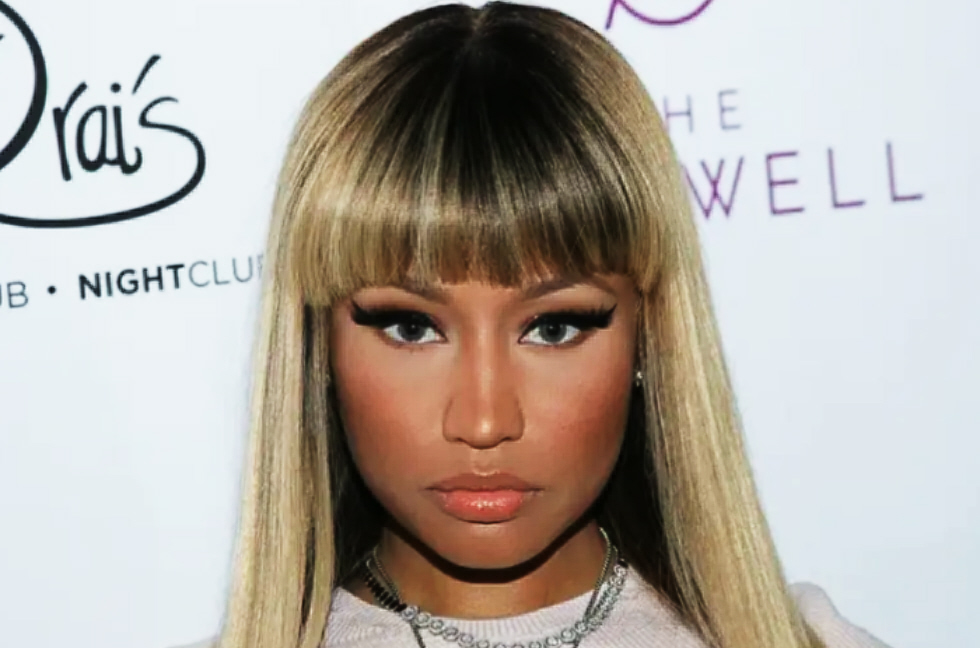
Nicki Minaj surprised her fans after revealing that she is not a United States citizen, despite having lived most of her life in the country and becoming one of the most influential figures in American popular music. The disclosure was made during a TikTok livestream in September 2024, where the artist spoke openly about her citizenship status. Born in Trinidad and Tobago, Minaj moved to the United States as a child and grew up in the Queens borough of New York City, a place that has deeply shaped both her personal identity and artistic career.
With more than a decade of global success and a constant presence in U.S. culture, many fans had long assumed she was American, a perception the rapper herself acknowledged. During the livestream, Minaj expressed frustration over the lack of formal recognition from the country she has called home since childhood. Speaking with humor, she joked that after paying millions of dollars in taxes over the years, she believed she deserved honorary U.S. citizenship.
The remark quickly gained attention and resonated with viewers. Her comments sparked a broader conversation about immigration, belonging, and how foreign-born public figures are recognized in the United States, even when their cultural and economic contributions are substantial. For many observers, Minaj’s case highlights the gap between cultural integration and legal status in a nation shaped by immigrant communities.
Honorary U.S. citizenship, which Minaj referenced, is a symbolic designation granted only by Congress and carries no legal rights such as voting or holding a U.S. passport. Throughout American history, the title has been awarded to only a small number of individuals, including Winston Churchill and Mother Teresa, reserved for those whose contributions are considered extraordinary. In that context, Minaj’s lighthearted comment underscored just how rare such recognition truly is.


