
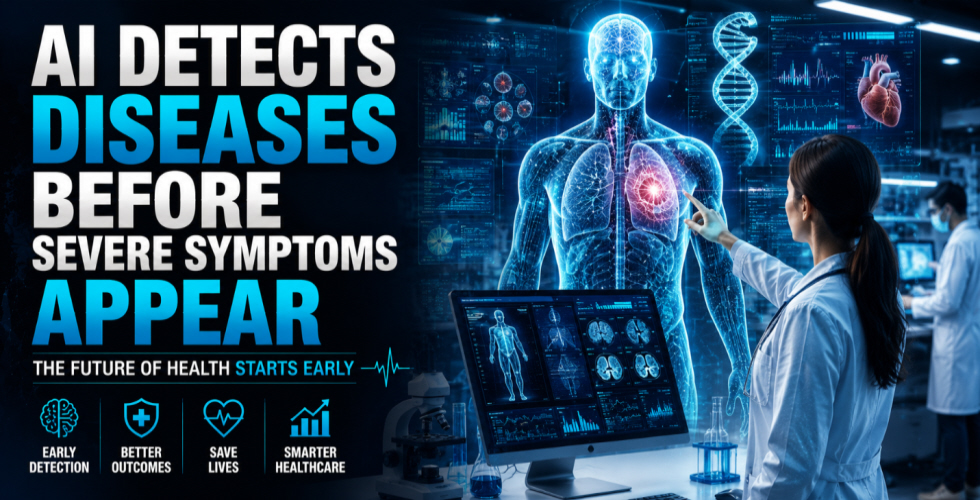
Artificial intelligence is beginning to transform the healthcare sector by enabling the detection of diseases even before serious symptoms appear in patients. Hospitals, laboratories and research centers are now using advanced systems capable of analyzing massive amounts of medical data within seconds. Experts believe this technology could completely reshape preventive medicine over the coming years. One of the most significant advances is occurring in the early diagnosis of cancer, heart disease and neurological disorders. AI systems can identify patterns invisible to the human eye through image analysis, genetic studies and complex medical records.
This allows doctors to detect potential health risks far earlier than traditional medical methods. In United States, several medical institutions have already begun integrating artificial intelligence platforms into hospitals and advanced research centers. Technology companies and pharmaceutical corporations are investing billions of dollars into developing tools capable of improving diagnostic speed and medical precision. Competition within the healthcare technology sector continues accelerating rapidly. Specialists emphasize that artificial intelligence is not intended to completely replace doctors, but rather assist them in making faster and more accurate decisions.
Through advanced algorithms, these systems can compare millions of clinical cases in real time and detect possible abnormalities before symptoms become visible to patients. This could significantly increase the chances of successful treatment. Another important development involves personalized medicine powered by artificial intelligence. New systems analyze DNA, medical history and lifestyle habits to recommend treatments specifically adapted to each individual patient. The future of medicine may gradually move away from generalized approaches toward therapies designed uniquely for every person.
However, the rapid expansion of these technologies is also generating ethical debates and growing concerns about medical privacy. Experts warn that enormous amounts of highly sensitive personal data are now being processed by increasingly sophisticated digital systems. Some sectors are calling for stricter regulations to protect medical information and prevent technological abuse. Inequality in access to these innovations is also becoming a major concern for international health organizations.
While advanced hospitals begin implementing cutting-edge AI medical systems, many countries still struggle with basic healthcare infrastructure shortages. Analysts fear the technological gap between wealthy and poorer healthcare systems may continue widening over the next decade. Despite these challenges, artificial intelligence has already begun redefining the future of modern medicine.
Researchers believe that early detection powered by AI could save millions of lives worldwide in the coming years. The combination of technology, science and human healthcare is opening a new medical era that only recently seemed completely futuristic.

