
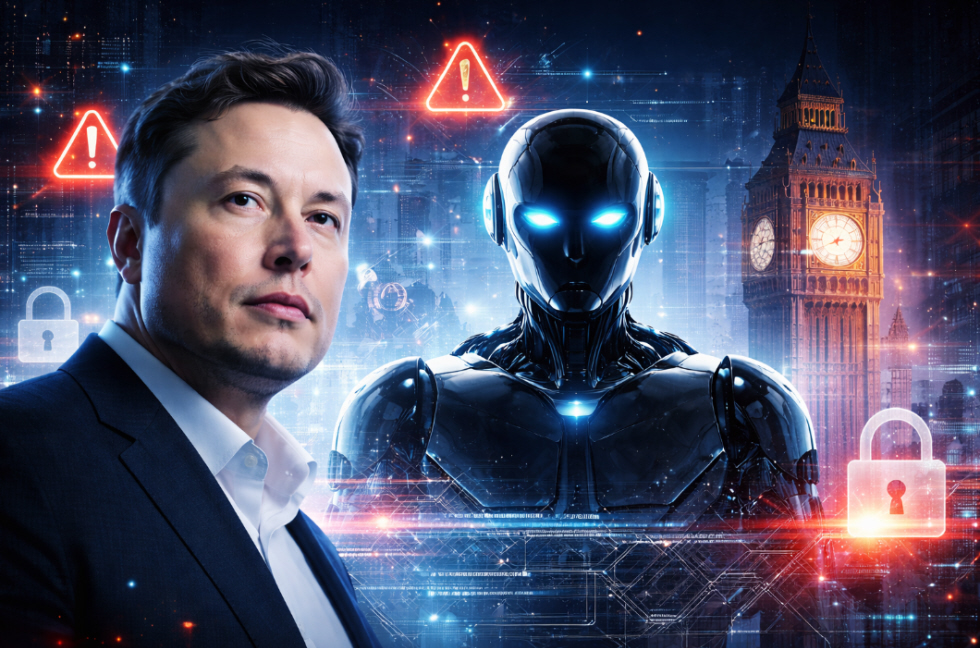
Tensions between major artificial intelligence platforms and European regulators have intensified following the launch of a United Kingdom investigation into Grok, the AI chatbot developed by Elon Musk’s company. The probe focuses on potential violations of digital safety rules, particularly those related to the protection of minors. The investigation is being conducted by the UK media regulator, which is examining whether Grok complies with the Online Safety Act, legislation passed in 2023 that requires large online platforms to reduce the spread of illegal and harmful content, with special emphasis on safeguarding children.
Regulatory attention has centered on the chatbot’s image-generation capabilities, after criticism emerged over the creation of content deemed inappropriate or sexualized, especially images involving women and minors. British authorities have described such material as unacceptable and have called for firm regulatory action. Officials in London have indicated that the regulator is expected to use all available legal powers to ensure compliance with the law. Measures under consideration include significant penalties and, if corrective steps are deemed insufficient, potential restrictions on the platform’s operation within the UK.
Elon Musk responded publicly to the investigation through posts on his own platform, sharply criticizing the British government and accusing it of censorship. While his remarks added a political dimension to the dispute, they have not altered the regulatory process currently underway. Pressure on the company extends beyond the United Kingdom. Authorities within the European Union have also raised concerns regarding compliance with EU digital regulations.
Brussels has requested that the company preserve internal documents related to Grok while regulatory assessments continue. Steps taken by the platform so far, such as limiting certain AI image-generation features to paying users, have been viewed as inadequate by regulators. Officials have argued that these measures fail to address the core issue and do not provide sufficient safeguards against the creation of illegal content.
The case highlights the growing clash between the rapid advancement of artificial intelligence technologies and governments’ efforts to regulate their societal impact. As platforms emphasize innovation and technological freedom, regulators continue to insist that accountability, user safety, and legal responsibility must take precedence, leaving all regulatory options on the table.


