
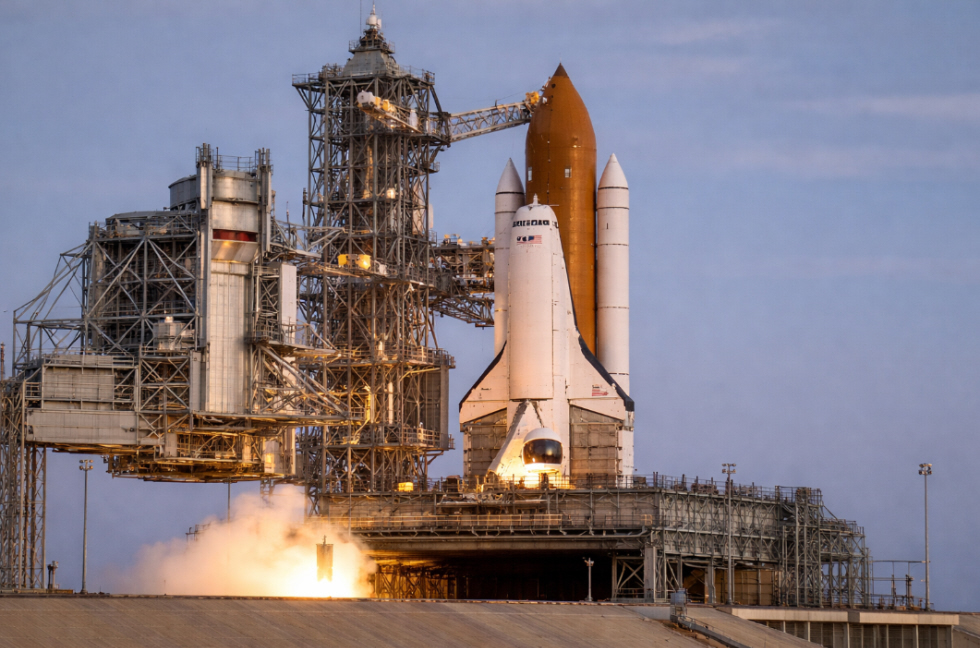
On January 28, 1986, the space shuttle Challenger disintegrated just 73 seconds after liftoff, marking the greatest tragedy in the history of crewed spaceflight. Seven astronauts lost their lives as millions of viewers watched the launch live, believing they were witnessing another technological milestone. For years, the disaster was portrayed as an unpredictable accident.
Over time, however, it became clear that the explosion was not the result of a single failure, but of a chain of technical and human decisions that ultimately compromised the system’s safety. The origin of the catastrophe lay in the so-called O-rings, rubber sealing components located in the solid rocket boosters. These parts were essential for preventing hot gas leaks, yet their performance degraded significantly in cold temperatures—conditions present on the morning of the launch.
Engineers had repeatedly warned about the dangers of launching Challenger under unusually cold conditions. Test data showed that the O-rings lost elasticity, reducing their ability to seal properly. Despite these warnings, the risks were downplayed within the decision-making hierarchy. Pressure to maintain the launch schedule played a decisive role. NASA faced delays, political expectations, and growing public pressure to project reliability and progress. Technology, rather than setting the pace, was forced to conform to administrative and institutional demands.
The failure was not only mechanical, but cultural. Risk had been normalized, with deviations increasingly accepted as manageable. Warning signs that should have halted the process were reframed as acceptable uncertainties, undermining fundamental safety principles. After the explosion, investigations revealed that critical information did not always reach senior decision-makers, and when it did, it was not given adequate weight. Silence, bureaucracy, and overconfidence proved as damaging as the physical defect itself. The Challenger disaster prompted a deep reassessment of engineering practices and risk management.
Safety protocols were revised, technical independence was strengthened, and the relationship between engineers and leadership was redefined. Four decades later, the accident remains a core case study in engineering, aviation, and space exploration. It is examined not only for what went wrong, but for what it teaches about responsibility, communication, and technological ethics.
The legacy of Challenger lies not only in the memory of tragedy, but in the enduring lesson that technological progress demands humility, careful listening, and the courage to stop when science warns of danger—even under pressure to succeed.


