
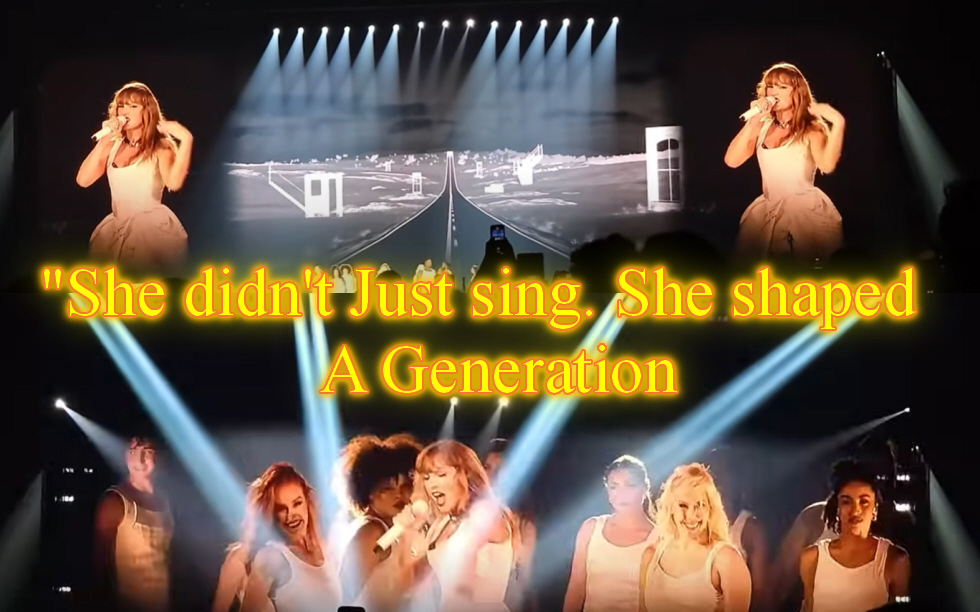
Paris, June 1, 2025. – Taylor Swift is no longer just a pop icon — she’s a cultural movement. Her world tour The Eras Tour has shattered every record imaginable, but more than the numbers, what truly stands out is the way her presence ripples through cities, industries, and generations. From her rise as a teenage country sensation to her reign as one of the most powerful artists on the planet, Swift has transformed not only the music industry, but the very way we think about fandom, storytelling, and identity.
Economic impact in every city Dubbed “The Swift Effect”, her tour has boosted local economies around the world. In cities like Tokyo, Buenos Aires, London, and Atlanta, the arrival of The Eras Tour has led to surges in hotel occupancy, restaurant sales, transportation use, and tourism. Analysts estimate that the tour has generated more than $2 billion in direct and indirect economic activity, making it the most profitable concert tour in history. In many places, Swift's presence revitalized downtown areas still recovering from the pandemic.
An artist of many eras, many lives Each night of The Eras Tour celebrates a different chapter of Swift's musical and personal journey — from the fairy tale innocence of Fearless, to the indie introspection of Folklore, to the late-night reflections of Midnights. With every era, she reinvents not only her sound, but also her relationship with her audience. Swift’s fans — known as “Swifties” — don’t just attend her shows. They participate, dress for the era, memorize Easter eggs, and treat each concert as a shared emotional pilgrimage. Few artists in history have cultivated such intimacy on such a massive scale.
Activism, feminism, and her voice beyond lyrics Though she remained politically quiet early in her career, Swift has grown into one of the most visible voices in entertainment advocating for voting rights, gender equality, and artist ownership. Her battle to regain control of her music catalog became a turning point in public conversations about artistic independence. She’s donated millions to legal aid for domestic violence victims, spoken openly about mental health, and used her platform to encourage civic engagement — all without losing the lyrical poetry that made her famous.
Legacy in real time With 14 Grammy Awards, record-breaking album releases, and now university courses analyzing her lyrics, Swift is not just making music — she’s making cultural history. In 2023, she became Time magazine’s Person of the Year, a rare feat for a performer. Her songwriting, once dismissed as teenage heartbreak, is now regarded as a map of a generation’s emotional evolution. Professors at Harvard and Oxford have cited her as “one of the most literate, self-aware songwriters of the 21st century.”


