

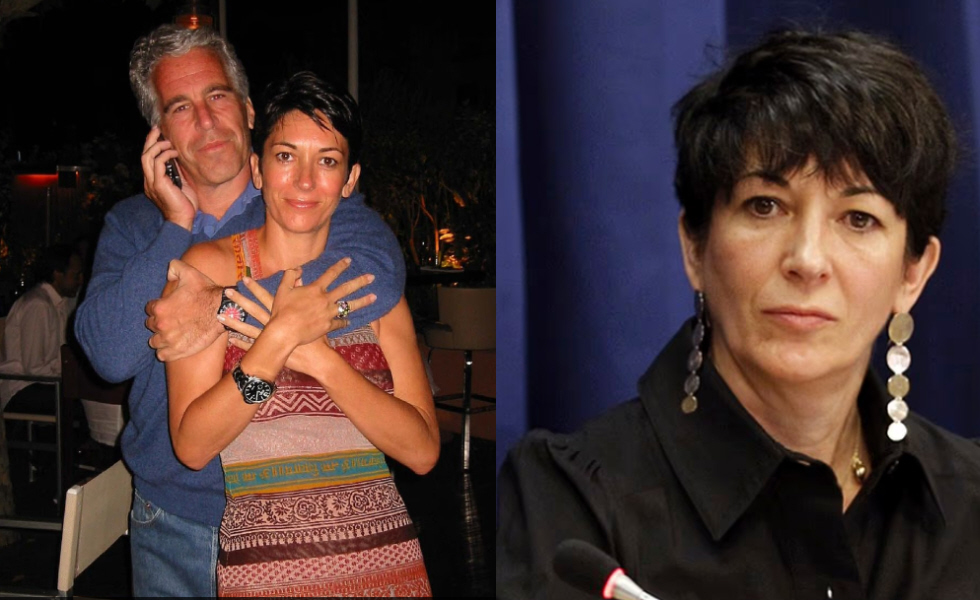
When Ghislaine Maxwell was convicted for her role in a sex trafficking ring that recruited underage girls and young women to be sexually abused by her then-partner Jeffrey Epstein, the sense of justice among victims was palpable. In the public imagination, the former British socialite vanished into a grim prison life—dressed in orange, isolated from the glamorous world she once inhabited. But now, four years after her conviction, the reality appears to be strikingly different.
On Friday, the 63-year-old was transferred to a low-security detention center that, according to the British newspaper The Telegraph, feels “more like an exclusive wellness retreat than a traditional correctional facility.” Maxwell now lives in conditions that allow her to practice yoga, apply facial masks, and even cuddle with puppies. A Life Without Fences The facility in Bryan, Texas—a 37-acre complex designed exclusively for female inmates—offers not only a fully equipped gym and spaces for relaxation, but also an unusual level of freedom.
Inmates are allowed to move freely across the expansive grounds, which are not enclosed by fences. Gardening enthusiasts can even tend to flower beds. For Maxwell, who once lived in lavish estates, such a routine hardly feels like a stark departure from her previous privileges. Harmless Cellmates and "Luxury" Life Critics and victims have already labeled the facility a “luxury prison.” Maxwell shares the space with other wealthy inmates and can earn a small income through prison-assigned jobs, which she can spend on personal care items.
According to official figures, the Bryan Federal Prison Camp (FPC Bryan) houses about 635 women, most of whom are incarcerated for non-violent or white-collar crimes. Shared Cells and Puppy Duties Despite the seemingly privileged environment, life at Bryan still comes with limitations. Inmates sleep four to a room on simple bunk beds with very little privacy. However, even their duties can be surprisingly soft. Inmate Julie Howell, 44, described the facility as “very different from what you see in movies or on TV.” Since her arrival, she has participated in the so-called “puppy program,” where inmates care for Labrador puppies during the day.
“This is my ‘job’ here,” she wrote on Facebook. “We play in water and mud, keep the dogs busy all day, and give them some rest in the kennel in between. I love it.” The dogs are part of a rehabilitation initiative designed to train them as future service animals. Wages: $1.15 per Hour Despite the amenities, the daily routine remains tightly regulated. All inmates are required to work in the facility—whether in the kitchen, janitorial services, or in the prison’s workshops.
For this, they earn a maximum wage of $1.15 per hour (around €0.93). Beauty Products in the Prison Commissary Those who work diligently are rewarded with a generous shopping allowance. Inmates can spend up to $360 per month at the internal commissary. In addition to hygiene products, the store offers a selection of beauty items, including L'Oréal RevitaLift anti-aging cream for $26 and Kerasal nail repair products for $20. What Did Maxwell Offer in Exchange for the Transfer? Maxwell’s attorney, David Markus, confirmed that his client “answered all questions posed by U.S. Deputy Attorney General Todd Blanche.” In return, she was not offered a reduced sentence—but she did receive a transfer to a remarkably comfortable facility.


