
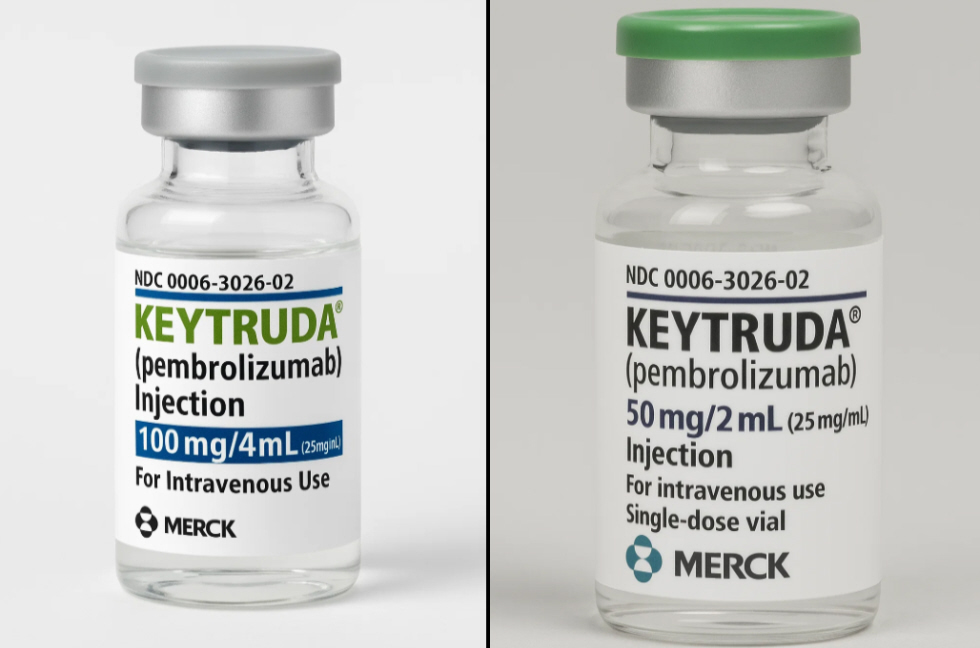
The U.S. Food and Drug Administration (FDA) has approved a new subcutaneous formulation of Keytruda, Merck’s flagship immunotherapy for cancer. This version, called Keytruda Qlex, represents a significant advancement in how the treatment is administered, as it allows patients to receive their dose in just one or two minutes via a subcutaneous injection, compared to the traditional intravenous infusions that typically last around 30 minutes.
The regulatory decision follows a series of clinical trials demonstrating that the efficacy and safety of the new formulation are equivalent to the IV version. Merck reported that the medication can be administered under two dosing schedules: 395 milligrams every three weeks or 790 milligrams every six weeks, thus offering flexibility to both patients and physicians. The company expects to begin distributing Keytruda Qlex in the United States by the end of September, marking a relatively rapid timeline between FDA approval and market availability. The impact of this innovation is not limited to patient comfort but also extends to the efficiency of healthcare centers.
By reducing administration time, hospitals and clinics can optimize resources, treat more patients within the same timeframe, and improve the overall experience for those who rely on this drug as part of their treatment for multiple types of cancer, including melanoma, lung cancer, and kidney cancer. Industry experts point out that the approval of the subcutaneous formulation is a strategic move for Merck, as it strengthens Keytruda’s market position amid the growing pressure of biosimilars and the looming expiration of patents in the coming years.
Financial analysts project that within the next 24 months, a significant portion of patients may switch to the subcutaneous option, generating a positive impact on the pharmaceutical company’s sales. With this approval, the FDA reaffirms its commitment to supporting innovative treatments that enhance cancer patients’ quality of life while improving the operational flow of the healthcare system. For oncologists, this decision represents an important step toward faster, more efficient, and patient-centered care.