
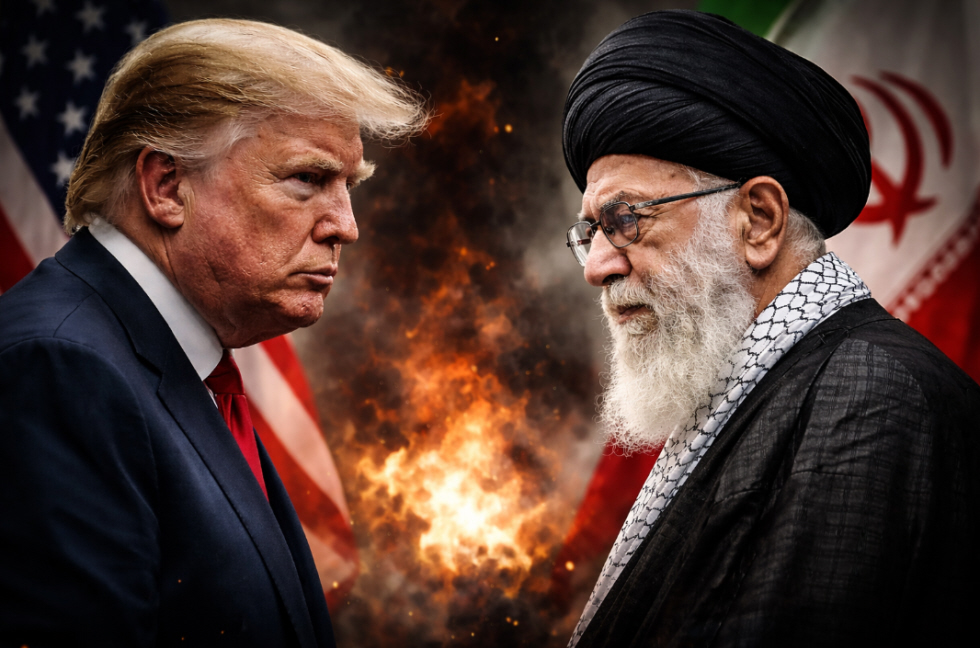
Tensions between the United States and Iran escalated again following a series of statements that raised the tone of the verbal confrontation between the two countries. U.S. President Donald Trump issued a direct warning, stating that Iran would face devastating consequences if any attempt were made on his life, in response to threats coming from senior Iranian officials.
Trump made these remarks during a televised interview, emphasizing that he had given clear instructions to his security team. The president said that any direct aggression against him would trigger an immediate and forceful response, against the backdrop of years of political and military hostility between Washington and Tehran. The U.S. president’s comments came after a senior Iranian official publicly warned that the United States would pay a heavy price if it targeted Iran’s supreme leadership.
These statements reflect a hardening of Iran’s official rhetoric in response to what it views as ongoing threats to its sovereignty and internal stability. The exchange of warnings comes at a particularly sensitive moment for Iran, which is facing a deep internal crisis marked by widespread social unrest and growing public discontent. Protests that began over economic grievances quickly evolved into broader challenges to the ruling system and have been met with harsh repression by authorities.
Human rights organizations have raised alarms over the high number of deaths, arrests, and injuries during the crackdown, while restrictions on internet access have complicated independent verification of events on the ground. Iranian officials, however, argue that the unrest is the result of foreign-backed efforts to destabilize the country. From Washington, the U.S. administration has maintained a firm but nuanced stance, combining sharp rhetoric with indirect calls for changes in Iran’s behavior.
Trump has repeatedly said he does not seek an open war, while leaving the door open to the use of force under extreme circumstances. The international community is watching the escalation with concern, aware that rhetoric of this nature increases the risk of miscalculation in an already volatile region. Calls for restraint have intensified, particularly amid fears that political language could translate into concrete actions.
For now, the confrontation remains largely rhetorical, but the heightened tension underscores the fragility of regional stability. In an environment defined by mistrust, every statement carries significant weight, raising the stakes for a potential crisis between two key actors on the global geopolitical stage.


